|
|
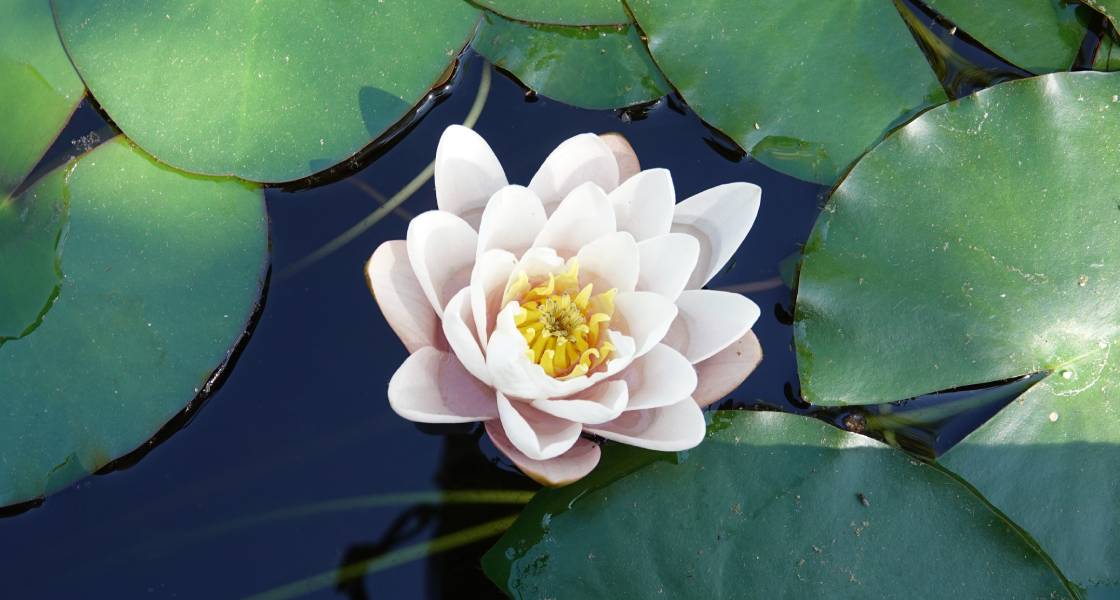
Lotus found at Audubon Center at Debs Park. Photo: Audubon Center at Debs Park Staff
|
|
What's Up at Debs
|
Our team has had a busy season in the field, leading educational programs, caring for restoration sites, improving our facilities, and planning exciting opportunities for the months ahead. We look forward to sharing some of this summer's highlights with you in this newsletter.
Summer always brings out the beauty of our local native plants, transforming the hillsides into a landscape that tells the story of Southern California’s resilience, showcasing lots of shades of green as the plants go dormant for the season. Before urban development, chaparral covered vast areas of Southern California, and its remarkable plants evolved to thrive in our region's challenging climate. Their tough, leathery leaves help conserve water through the dry summer months, while many species have adapted to surviving and even flourish after wildfire.
Even in the heat of summer, the park is alive with birds. We are grateful to continue hearing the distinctive calls of the California Thrasher and the Wrentit, two iconic residents of healthy chaparral habitat. We have had the pleasure of sharing it with this years Audubon Youth Leaders and our Summer Interns.
This summer, we've also experienced a few human-caused fires in the park. Thankfully, first responders acted quickly to contain them, and we are deeply appreciative of their rapid response. We also want to thank our volunteers, partners, and community members who continue to support our restoration efforts. By restoring native habitats and reducing invasive species, we are helping build a landscape that is healthier, more resilient, and better prepared for the challenges of wildfire.
Thank you for your continued support helping build a more resilient park! Don’t forget to participate in California’s Bird of the Year Tournament!
|
|
|
|
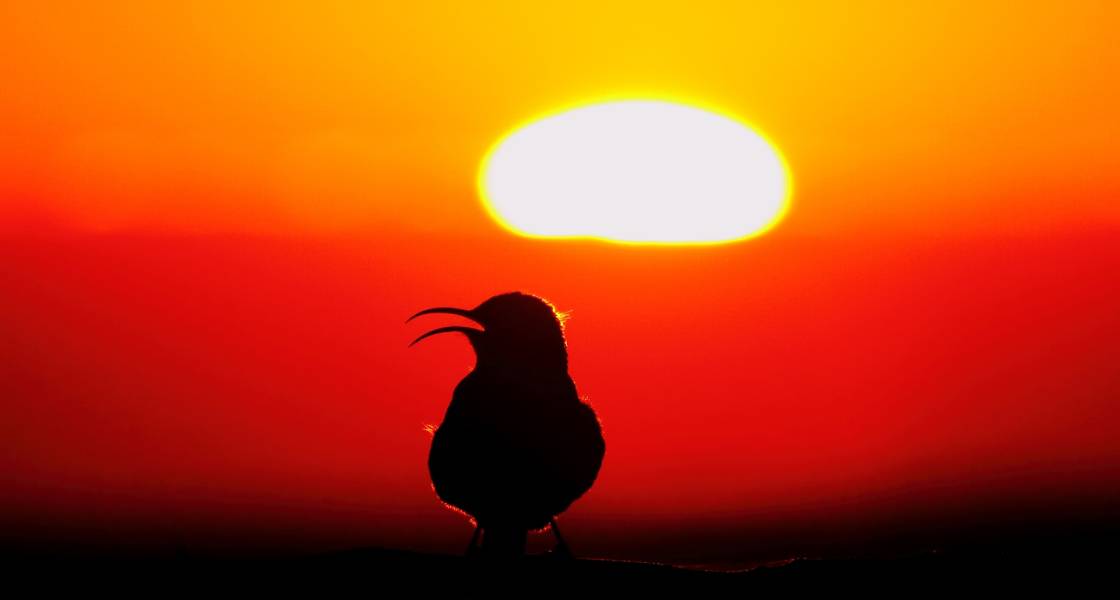
A California Thrasher in sunset. Photo: Leonard Hantz/Audubon Photography Awards
|
|
Growing Fire-Resilient Communities Through Native Habitat
|
As the hillsides turn golden and our native plants settle into their summer dormancy, they tell the story of Southern California's resilience. Wildfires continue to impact neighborhoods across the region, reminding us that fire is both a natural part of California's ecosystems and a growing challenge for our communities.
This year, many of our neighbors living in and around the hillsides near Ernest E. Debs Regional Park are also navigating new wildfire regulations designed to help communities prepare for future fire seasons. Many neighborhoods throughout Northeast Los Angeles are designated as High or Very High Fire Hazard Severity Zones, meaning they face an increased likelihood of wildfire due to local vegetation, topography, and climate. Building wildfire resilience means preparing our landscapes and our communities to reduce risk, protect biodiversity, and recover more quickly when fires occur. Fire resilience extends beyond the plants we grow; it is rooted in informed, connected, and engaged communities.
At the Audubon Center at Debs Park and Community Nature Connection (CNC), we believe that healthy habitats and informed communities go hand in hand. Through habitat restoration, environmental education, and community engagement, our organizations are helping Angelenos understand how native ecosystems function and how each of us can play a role in creating more resilient landscapes. Continue reading...
|
|
|
|
|
|
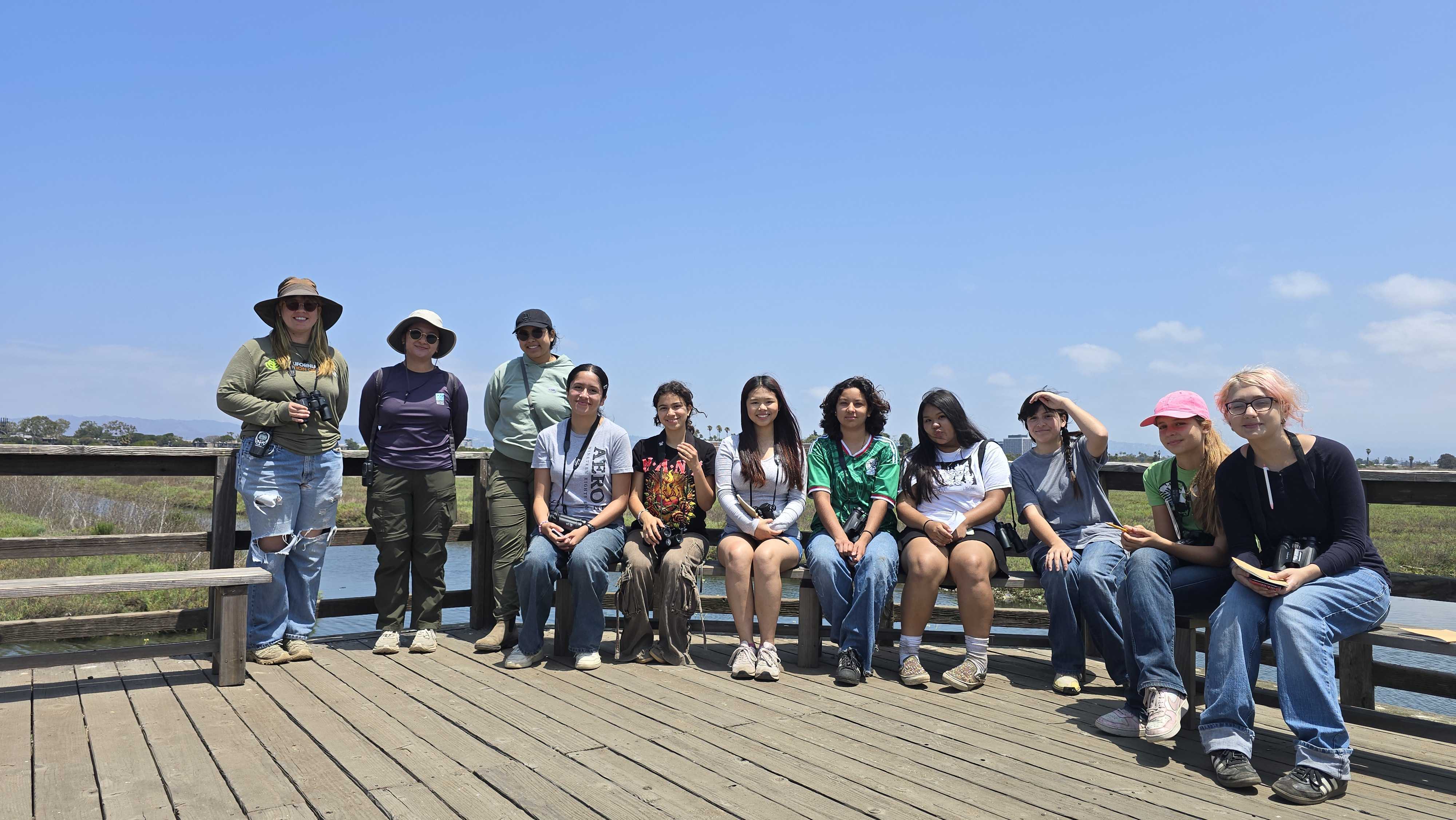
Audubon Youth Leaders at Ballona Wetlands. Photo: Audubon Center at Debs Park Staff
|
|
|
A Summer Full of Audubon Youth Leaders
|
|
Summer at the Audubon Center at Debs Park comes in many forms, from rust-colored California Buckwheat to the trill of Hooded Orioles. For the Public Programs team, it also means the return of Audubon Youth Leaders, our flagship high school program! Learn more...
|
|
|
|
|
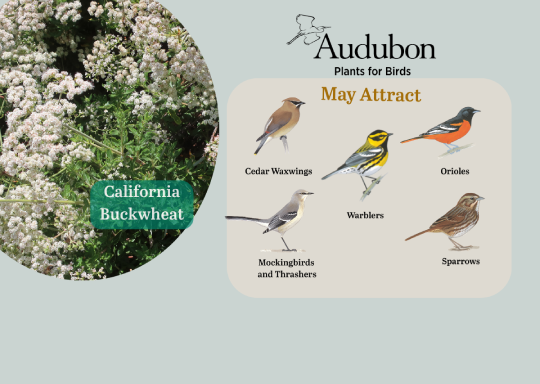
California Buckwheat Plants for Birds card/Denys Hemen
|
|
Let's Get to Know California Buckwheat!
|
If you’ve ever driven through Southern California in late summer, you probably are familiar with the rolling, brown hills that cover the landscape, typical of the coastal sage scrub plant community. At this point in the summer, wild plants haven’t seen water in months, and many of them go dormant to survive this prolonged period of drought. One of these plants, however, stands out amongst the sea of brown.
This is the California Buckwheat, Eriogonum fasciculatum.
Read more...
|
|
|
|
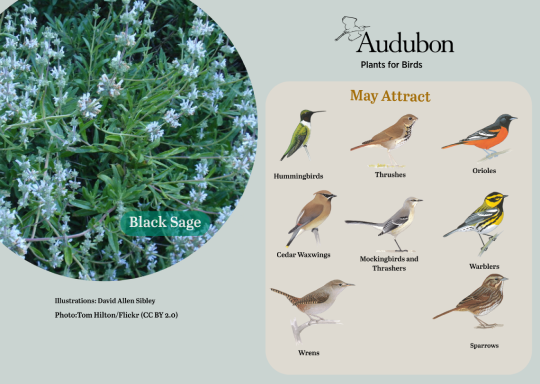
Black Sage Plants for Birds card/Denys Hemen
|
|
Black Sage: A True Habitat Hero
|
Are you already planning what plants to put in your California native garden?
If so, make sure you don't miss out on adding black sage (Salvia mellifera) to the list! This sun-loving plant boast wonderfully aromatic leaves and blooms into gorgeous lavender-white flowers which support a variety of moths, butterflies, and of course, birds!
Read more...
|
|
|
|
|
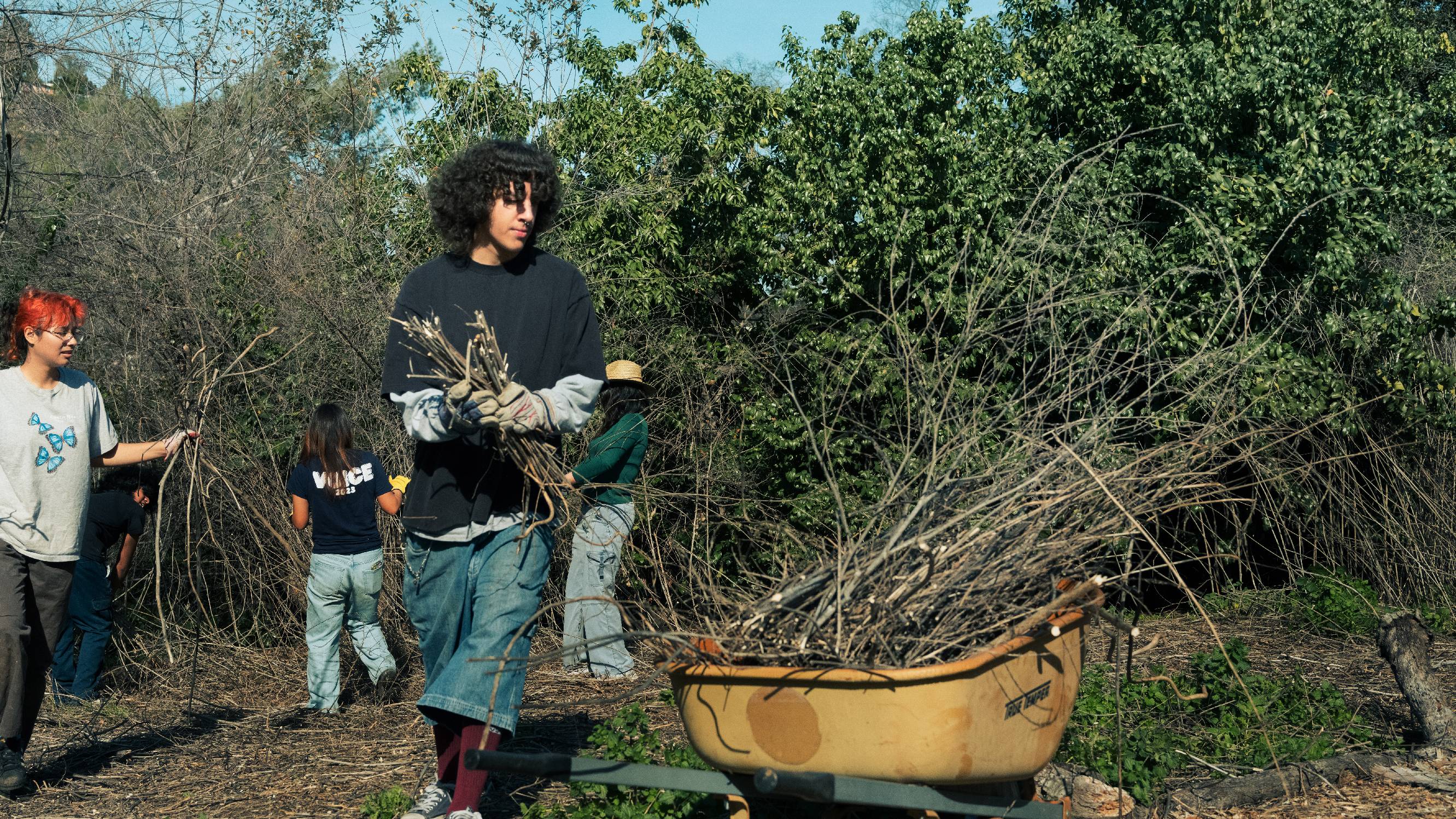
Audubon Youth Leaders doing habitat restoration. Photo: Mike Fernandez
|
|
Check Out Our Upcoming Events!
|
Events at Audubon Center at Debs Park- August 11th: Community Habitat Restoration
- August 16th: Black Walnut Seed Cleaning Event
- August 17th: Community Habitat Restoration
- August 22nd: Old Time String Jam Band
- August 28th: Community Movie Night
- August 29th: (PAID) Bird-themed Yoga at the Audubon Center at Debs Park
- August 30th: Community Habitat Restoration
- September 2nd: Community Habitat Restoration
- September 9th: Community Habitat Restoration
- September 16th: Community Habitat Restoration
Offsite EventsCommunity Habitat Restoration @ Rio de Los Angeles State Park
August 31st | 8:30AM - 11:30AM | Rio de Los Angeles State Park
Come get your hands dirty and join us for habitat restoration at Rio de Los Angeles State Park. Meet us at the flagpoles and learn about California native plants as we take care of these plants!
Takaape’ Waashut Northeast Los Angeles Black Walnut Day
September 5 | 11 AM–5 PM | Ascot Hills Park
Celebrate harvest season at Ascot Hills Park with workshops, arts and crafts, seed processing, and more, honoring the Southern California Black Walnut and the Indigenous, Latine, Chicanx, migrant and BIPOC community connected to it.
Latino Conservation Week Community Pachanga
September 13 |12–6 PM | Metabolic Studios
Join us at Metabolic Studios for workshops, community panels, crafts, and activities celebrating Latino leadership in conservation. Featuring local conservation leaders, organizations, and neighbors who are protecting urban nature and expanding access to green spaces across Los Angeles. View All Events
|
|
Los Nogales Nursery
|
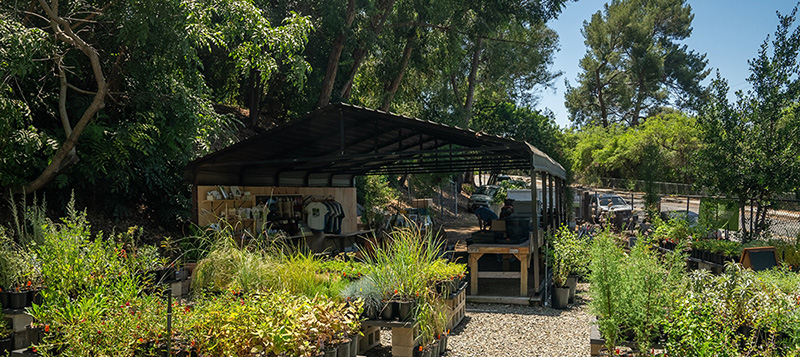
Tucked into the hills of Northeast Los Angeles, Los Nogales Nursery has quietly flourished for over a decade—growing native plants, supporting habitat restoration, and nurturing community involvement. Now, something new is blooming: for the first time ever, the nursery is opening its gates to the public for native plant sales, thanks to a new partnership with the Theodore Payne Foundation!
|
|
|
Shop All & Learn More
|
|
|



