Week 5 saw long agendas in committees with time running short for bills to reach the floor, and the first volley in budget negotiations between the two chambers. We have good news for bills addressing biosolids and restoring the Ocklawaha River; however, the Blue Ribbon bill would still expedite development without safeguarding conservation lands, and surplussing language remains in play in the ag bill. Read on for these as well as details on budget starting positions for both chambers.
|
|
|
|
|
|
|
|
Florida House and Senate Release their Budget Proposals
|
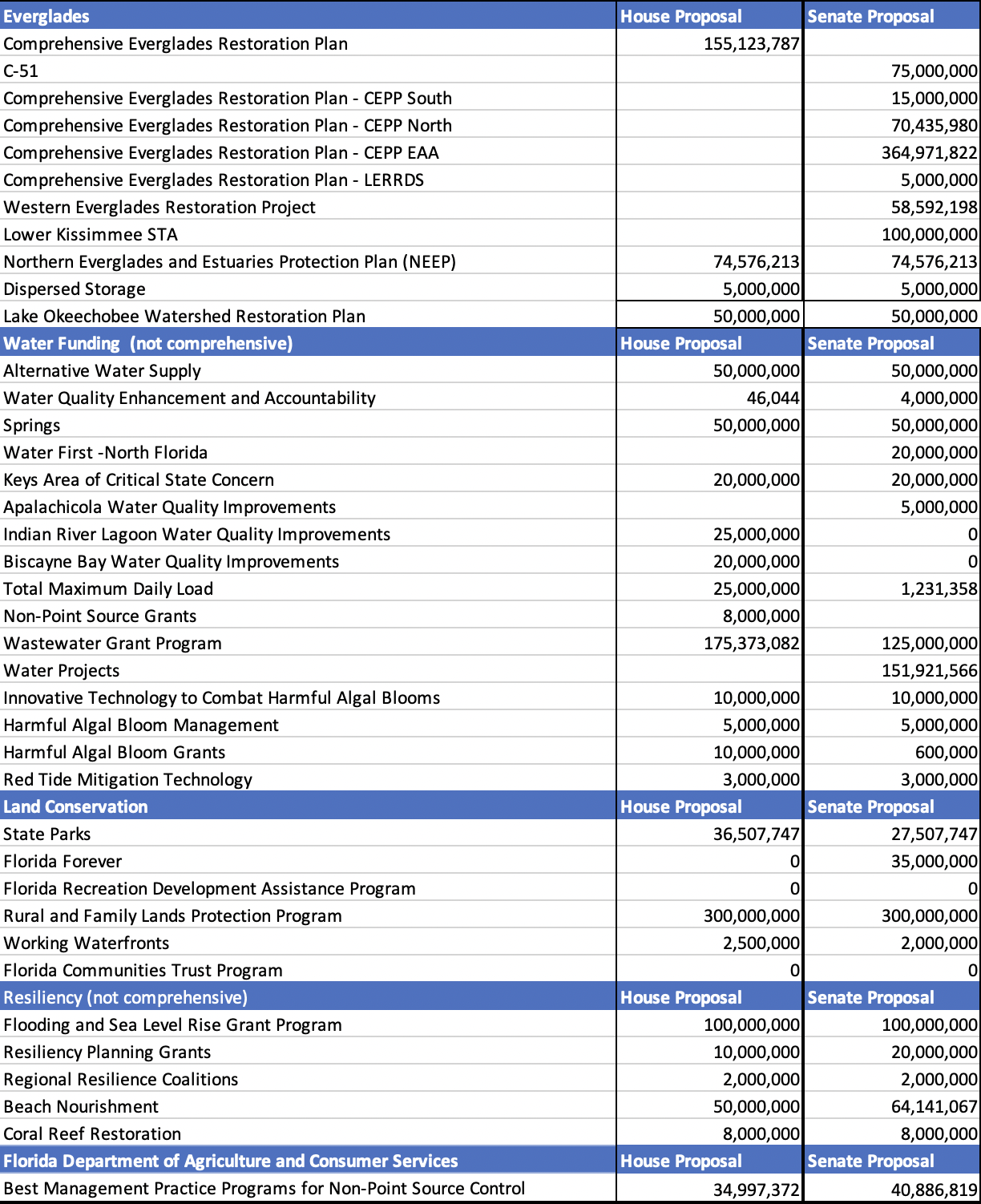
Florida lawmakers released competing budget proposals for the coming fiscal year, signaling early differences between the chambers.
As the Florida Legislature moves into negotiations, their only constitutional obligation is to pass a balanced budget.
The House:
Late Thursday, the Florida House of Representatives released a more austere $113.6 billion plan—about $4 billion less than the governor’s proposal—highlighting that the two chambers are not yet aligned.
The Senate:
The Senate unveiled a $115.0 billion budget ($52.3 billion in general revenue and $62.7 billion in trust funds), representing a reduction from FY 2025–26 in both total spending and per-capita funding, while also increasing reserves by transferring $118 million to the Budget Stabilization Fund.
Disappointing Environment Numbers:
Both budgets fell short of the Governor's requests for Everglades restoration and Florida Forever funding, with the latter only receiving $35 million in the Senate and nothing in the House—where a proposal was added to sweep an existing $200 million appropriated for land acquisition in Northeast Florida and Southwest Florida to the Rural and Family Lands Protection Program.
Note:
In recent years, proviso language at the back of the budget bill at final passage often contains complexities—specific appropriations, constraints on appropriations, and even claw backs from prior years—which have not been released yet and do not factor into the numbers above.
|
|
|
|
|
|
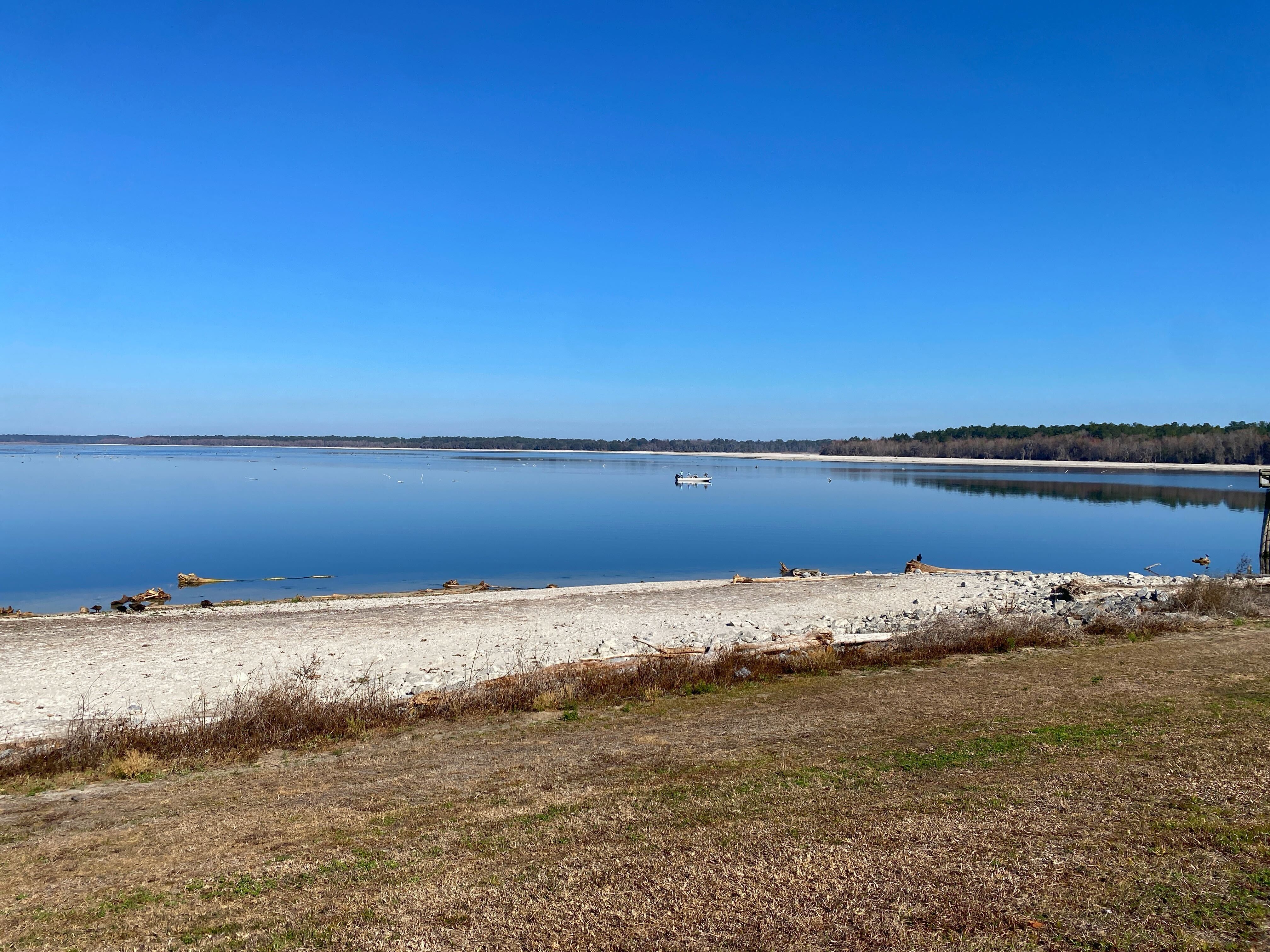
The Rodman Reservoir, created by the Kirkpatrick Dam, is currently in drawdown, revealing the standing and fallen skeletons of the ancient floodplain forest inundated by the reservoir. Photo: Erika Zambello/Audubon Florida
|
|
Bill to Restore the Ocklawaha Heads to the Senate Floor
|
Tributaries of the St. Johns River, SB 1066, by Sen. Brodeur (R-Sanford), passed its last committee of reference this week.
Good News!
After decades of debate, a bill to restore the Ocklawaha River is headed to the Florida Senate floor.
Sen. Brodeur’s SB 1066 cleared Senate Appropriations (Chair, Sen. Hooper (R-Palm Harbor)) by a 17–1 vote. The legislation directs the Florida Department of Environmental Protection to breach the Kirkpatrick Dam and plan restoration by 2027, with a completion date in 2032.
The project would improve water quality, reconnect natural systems between Silver Springs and the St. Johns River, and reduce long-term safety risks from the aging dam. The bill also proposes new state-funded outdoor recreation investments in Putnam, Marion, Clay, and St. Johns counties to help communities benefit from restoration.
The House companion, SB 981, by Rep. Duggan (R-Jacksonville), has made it to the House floor.
|
|
|
|

|
|
Reddish Egret. Photo: Karen Bilgrai-Cohen/Audubon Photography Awards
|
|
Agricultural Enclave Bill Amended to Further Expedite Sprawl
|
The Agricultural Enclave bill, SB 686, by Sen. McClain (R-Ocala) is intended to expedite development of rural preservation lands surrounded by development by allowing projects to bypass local comprehensive plan amendments.
An amendment adopted in the Judiciary Committee (Chair, Sen.Yarborough (R- Nassau County)) includes an interstate provision that goes further, by allowing even minimal boundary contact with higher-intensity development to justify upzoning rural preservation lands if the site is adjacent to an interstate.
While the amendment includes carve-outs for Areas of Critical State Concern and the Florida Wildlife Corridor this change weakens planning standards and increases pressure for strip development and leapfrogging along interstates, rather than directing growth in a more planned, compatible way.
Audubon continues to work with the sponsor to protect our rural areas.
The House companion by Rep. Botana (R-Bonita Springs) is on the agenda of the State Affairs Committee next week.
|
|
|
|

|
|
Ruddy Turnstone. Photo: Ariela Cultrera/Audubon Photography Awards
|
|
Biosolids Bill Improved but Still Needs Additional Amendments
|
The Appropriations Committee on Agriculture, Environment, and General Government heard Sen. Bradley’s (R-Flemming Island) Biosolids bill, SB 1294.
Amendment Update
An amendment adopted yesterday:
- Limits bulk land application of Class AA fertilizer and compost to agronomic-rate use.
- Requires recordkeeping.
- Directs UF/IFAS to publish agronomic guidance while leaving fertilizer labeling oversight with FDACS.
- Defines and prohibits land-application disposal (meaning biosolids may no longer be applied to land for disposal and may be land applied only for agronomic or beneficial-reuse purposes).
- Requires tonnage reporting and inspection-fee provisions to apply to Class AA products distributed for land application.
- Requires land application sites to be enrolled in FDACS agricultural BMP programs.
Audubon Remains Concerned
Audubon’s main concern is that it does not provide clear, express DEP rulemaking authority for Class AA land-application oversight and enforcement.
|
|
|
|
|
|
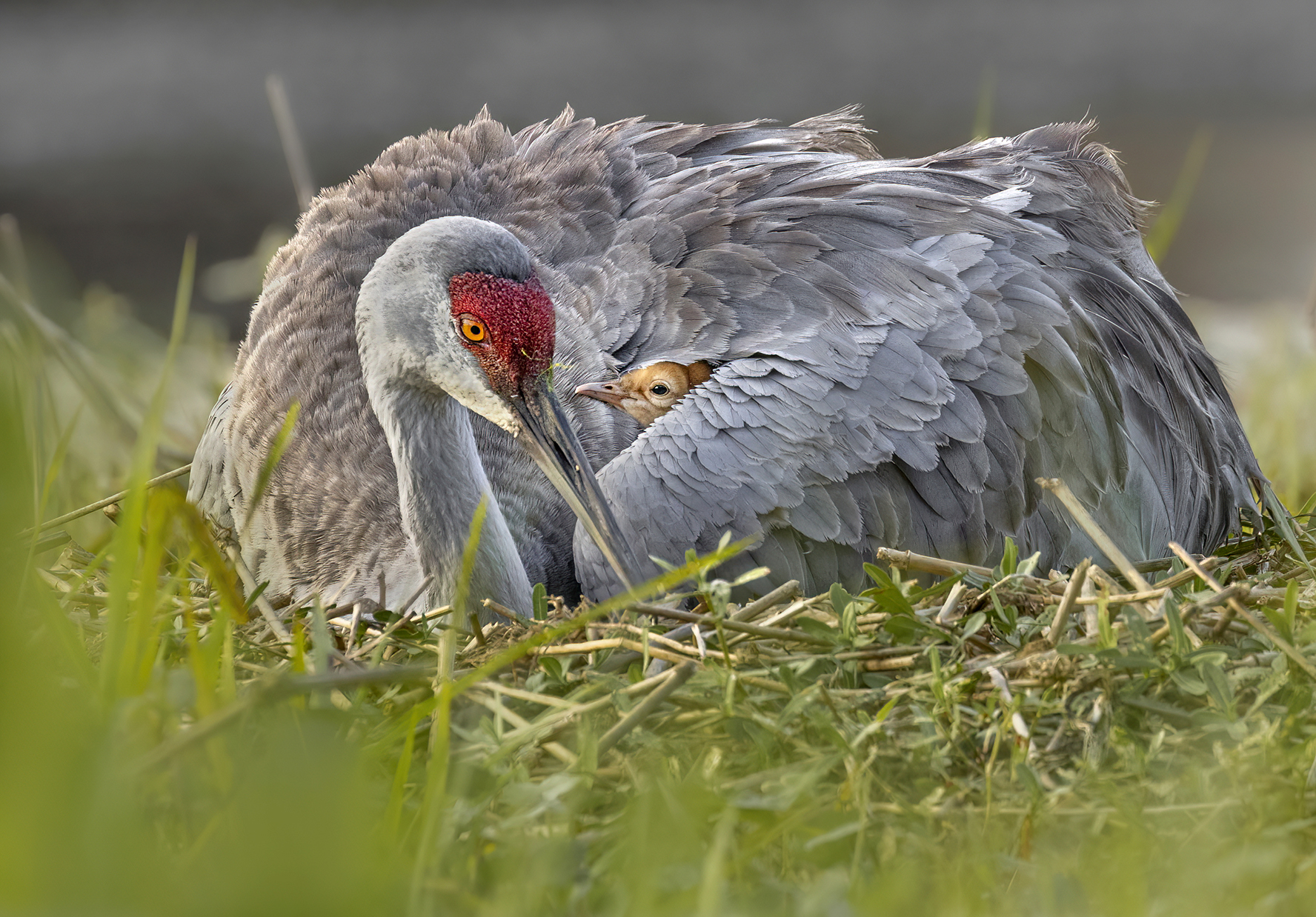
Sandhill Cranes. Photo: Robert Gloeckner/Audubon Photography Awards
|
|
Blue Ribbon Projects Bill Passes Next Committee Hurdle
|
Blue Ribbon Projects, SB 354, by McClain (R-Ocala) passed the Appropriations Committee on Transportation, Tourism, and Economic Development (Chair, Sen. DiCeglie (R-Pinellas)).
SB 354 is designed to fast-track approvals for very large developments in exchange for setting aside 60% of project acreage as a “reserve.”
Amendment Updates
Recent amendments clarified that golf courses and data centers cannot count toward that reserve; a change strengthens the conservation intent of the bill.
However, the reserve definition still allows a wide range of non-conservation uses — such as parks, utilities, reservoirs, lakes, and stormwater ponds — to count toward the total, meaning projects can meet the 60% requirement while preserving relatively little land with high ecological value.
The bill also allows reserve areas to be identified or shifted over a 50–75-year buildout period, rather than requiring conservation lands to be set aside and permanently recorded up front.
Bad News for Smart Growth
Combined with a fast-track approval process that includes limited public process, this structure places greater weight on how clearly and enforceably conservation commitments are defined at the outset.
Audubon continues to collaborate with the sponsor on fixes that make the conservation outcomes real and permanent.
|
|
|
|
|
|
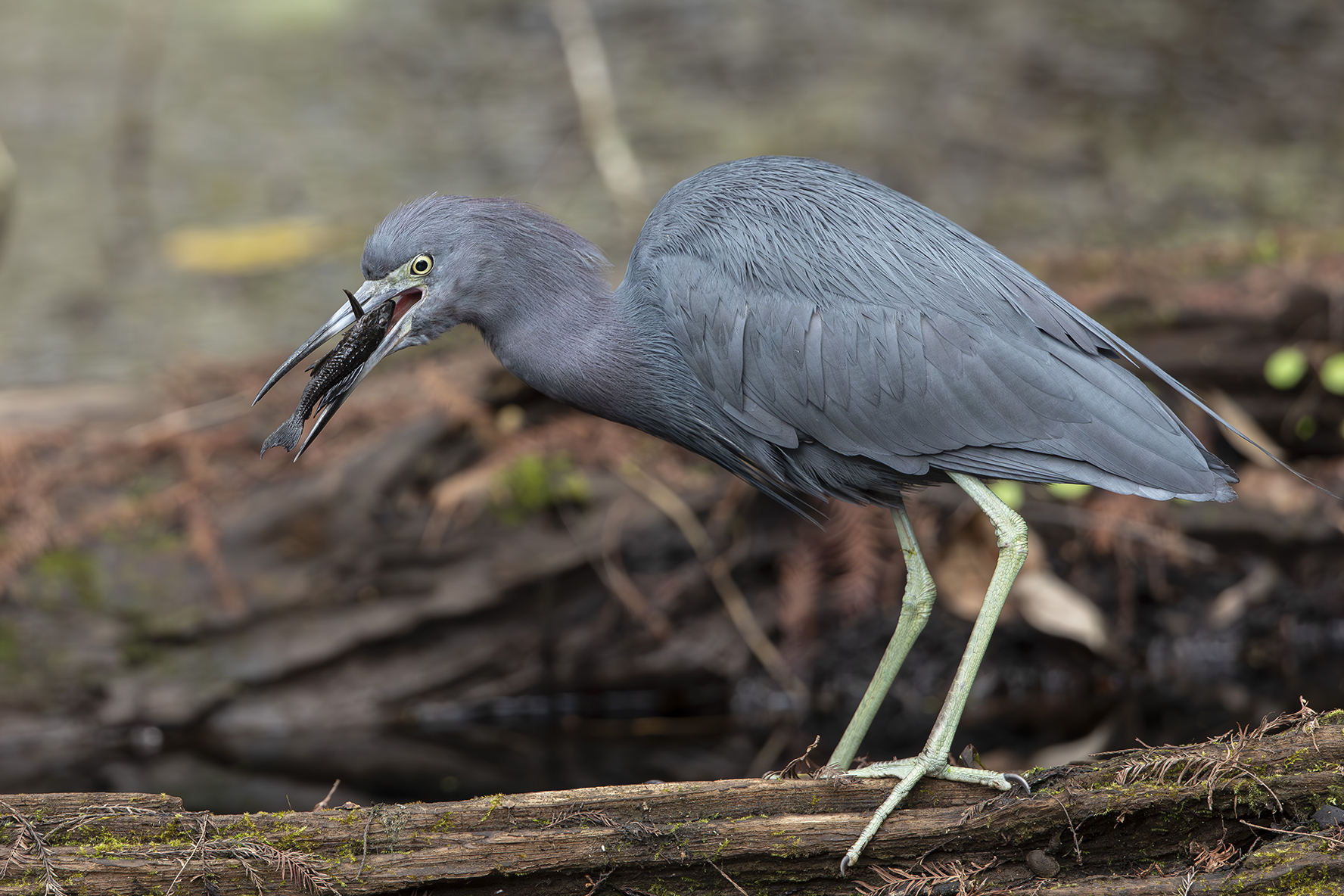
Little Blue Heron. Photo: John Troth/Audubon Photography Awards
|
|
Disparagement Language Removed from Farm Bill in Committee, Language to Convert Conservation Lands to Agriculture Remains
|
Department of Agriculture and Consumer Services, SB 290, by Sen. Truenow (R- Tavares) passed its next committee this week.
The Senate Rules Committee (Chair, Sen. Passidomo (R-Naples)) met this week to consider SB 290, an omnibus agriculture and regulatory bill under the umbrella of the Florida Department of Agriculture and Consumer Services.
What Concerns Audubon?
This omnibus “farm bill,” SB 290 contains provisions that could weaken long-standing land conservation and public-land protections by allowing the state to reclassify certain conservation lands as “surplus” if deemed suitable for agriculture, blurring the line between protected lands and potential farmland and risking loss of public access and ecological value.
The bill also includes biosolids provisions that could shift disposal practices without ensuring adequate tracking or environmental safeguards. During testimony, Audubon urged the committee to ensure adequate safeguards for conservation lands.
Lawmakers adopted an amendment by Sen. Martin (R-Fort Myers) removing a controversial disparagement provision from the bill.
|
|
|
|
Keep your network informed of opportunities and ways to get involved by sharing this newsletter today.
|
|
|
|
|



