Legislative Session was originally scheduled to end March 13, but with no start yet to budget negotiations, overtime is inevitable, either in an extended or special session. In the absence of appropriations meetings, committee and floor hearings have been energetic, as time runs out for bills to reach final passage. Read on for details of what's passed, what's improved, and what's struggling in the race to the final buzzer.
|
|
|
|
|
|
|
|
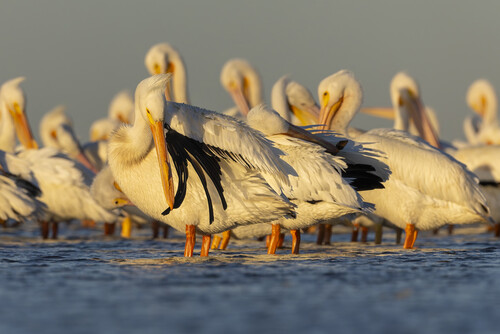
American White Pelican. Photo: Tim Timmis/Audubon Photography Awards
|
|
State Budget Disagreement Could Delay Session's End
|
With just one week left in the legislative session, Florida lawmakers have not yet started formal negotiations on the state budget, raising doubts about whether they will finish on time. The House and Senate are about $1.4 billion apart in their spending plans, and leaders Rep. McClure (R-Plant City) and Sen. Hooper (R-Palm Harbor) have not agreed on the overall budget amount or funding levels for major areas like the environment, education, and health care.
If lawmakers cannot reach an agreement soon, they will miss key deadlines needed to end the session on March 13. That could mean extending the session or returning later for a special session—similar to last year when budget talks stretched well past the scheduled end of the session.
We thank our advocates who responded to our alerts and reached out to their legislators in support of fully funding Florida Forever. Even as the budget process slows, your voice continues to be important in ensuring decision makers hear how vital land conservation funding is for Florida’s future.
Keep up the good work!
|
|
|
|
|
|
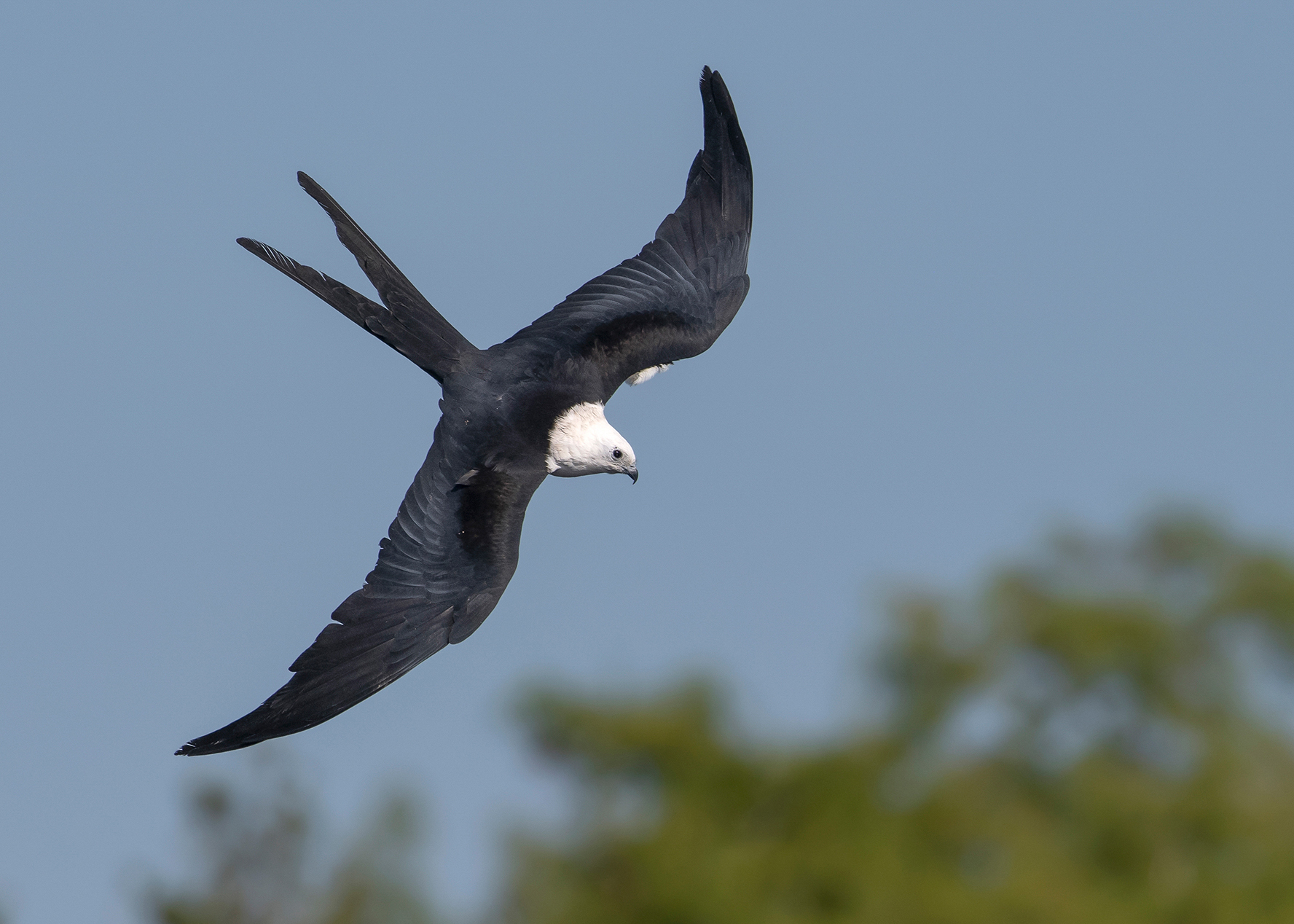
Swallow-tailed Kite. Photo: Peter Brannon/Audubon Photography Awards
|
|
Blue Ribbon Bill to Greenlight Mega-Developments Meets Resistance in Senate
|
A proposal to create large-scale development projects in rural areas, Blue Ribbon Projects (SB 354), narrowly passed the Florida Senate Rules Committee on a 12–10 vote and was heard in the Senate on Thursday of this week. The bill would allow landowners with at least 15,000 contiguous acres to develop up to 40% of their land if the remaining 60% is set aside as “reserve areas,” with development rights lasting up to 75 years.
Although the measure was amended in the Rules Committee (Chair, Sen. Passidomo (R-Naples)) to improve protections in the reserve areas and would allow local governments to deny proposals that conflict with their comprehensive plans, lawmakers from both parties raised concerns about the bill’s impacts and unclear language. Critics warned that reserve areas could still allow uses such as utilities, stormwater facilities, or active recreation, and questioned whether the bill would truly protect natural lands or wildlife.
The Senate delayed a vote on the bill on Thursday after several lawmakers, including Senators Passidomo, Bradley (R-Fleming Island), Wright (R-Port Orange), Simon (R-Quincy), Gaetz (R-Pensacola), and Pizzo (I-Hollywood) raised strong concerns about the bill. The companion bill, HB 433 (Rep. Melo, R-Naples), still needs to pass the House chamber.
Our team continues to raise concerns with lawmakers and staff, highlighting dire potential impacts and providing amendment language to strengthen conservation outcomes. That engagement has helped improve parts of the proposal as the bill progresses.
|
|
|
|
|
|
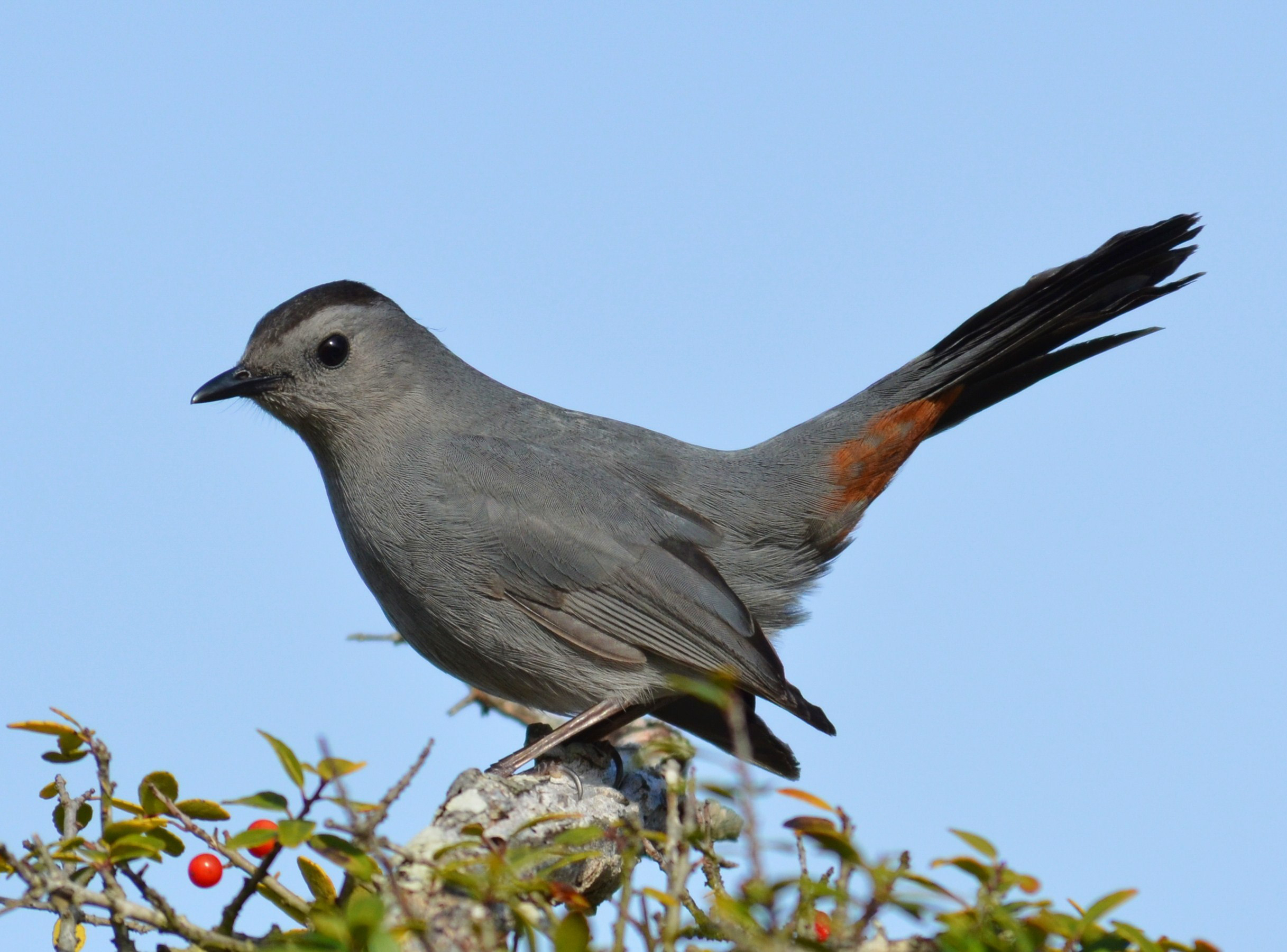
Gray Catbird. Photo: Marie Lehmann/Audubon Photography Awards
|
|
Farm Bill Heads to Governor's Desk
|
The 2026 Florida Farm Bill, SB 290, submitted by the Department of Agriculture and Consumer Services' Rep. Truenow (R-Tavares), passed the Florida Legislature and is heading to Governor Ron DeSantis' desk.
The bill, a major priority for Agriculture Commissioner Wilton Simpson, was approved by the House in a 94–10 vote and also passed the Senate. A concerning provision included in the bill enables state-owned land deemed suitable for agricultural purposes to be sold into private ownership. The legislation did undergo some changes during the session, including the removal of a controversial provision that would have expanded “food libel” laws, which would have allowed lawsuits against those who disparage agricultural products.
While SB 290 ultimately passed with provisions we believe could be harmful, we are grateful to our advocates who raised their voices to highlight these concerns with lawmakers. We also appreciate the growing discussion about the continued value of Florida Forever and the important role it plays in creating new parks and preserves across our state for the enjoyment of all Floridians.
|
|
|
|

|
|
Common Tern. Photo: Melissa Rowe/Audubon Photography Awards
|
|
Bill to Overrule Local Rural Boundary Protections Advances
|
Land Use and Development Regulations, HB 399, by Rep. Borrero (R-Hialeah), is a wide-ranging bill that limits local authority over zoning decisions, housing regulations, and development fees that just cleared the House chamber, marking a significant advancement this Session in further preempting county and municipal control. This bill requires a simple majority of commissioners in attendance to approve changes to the Urban Development Boundary (UDB) in Miami-Dade County and other similar rural boundaries. Additionally, it requires a study by the Legislature’s Office of Program, Policy, Analysis and Government Accountability (OPPAGA) of the UDB and other rural boundaries.
It was also amended in its last committee this week to require administrative approval of minor special exceptions for certain large destination resorts as defined in the bill. This language is targeting Miami Beach and a current water park matter pending with the Miami Beach Historic Preservation Board.
HB 399 passed the House floor 71-38 and has been received in the Senate for further action.
SB 208, its Senate companion by Sen. McClain (R-Ocala), only contains the UDB study and does not contain the simple majority requirement or the large destination resort preemption. This bill was placed on the Senate calendar for second reading, but it has not yet been voted on by the full Senate.
Both bills remain active and would need to clear the opposite chamber before they can be sent to the governor.
|
|
|
|
|
|
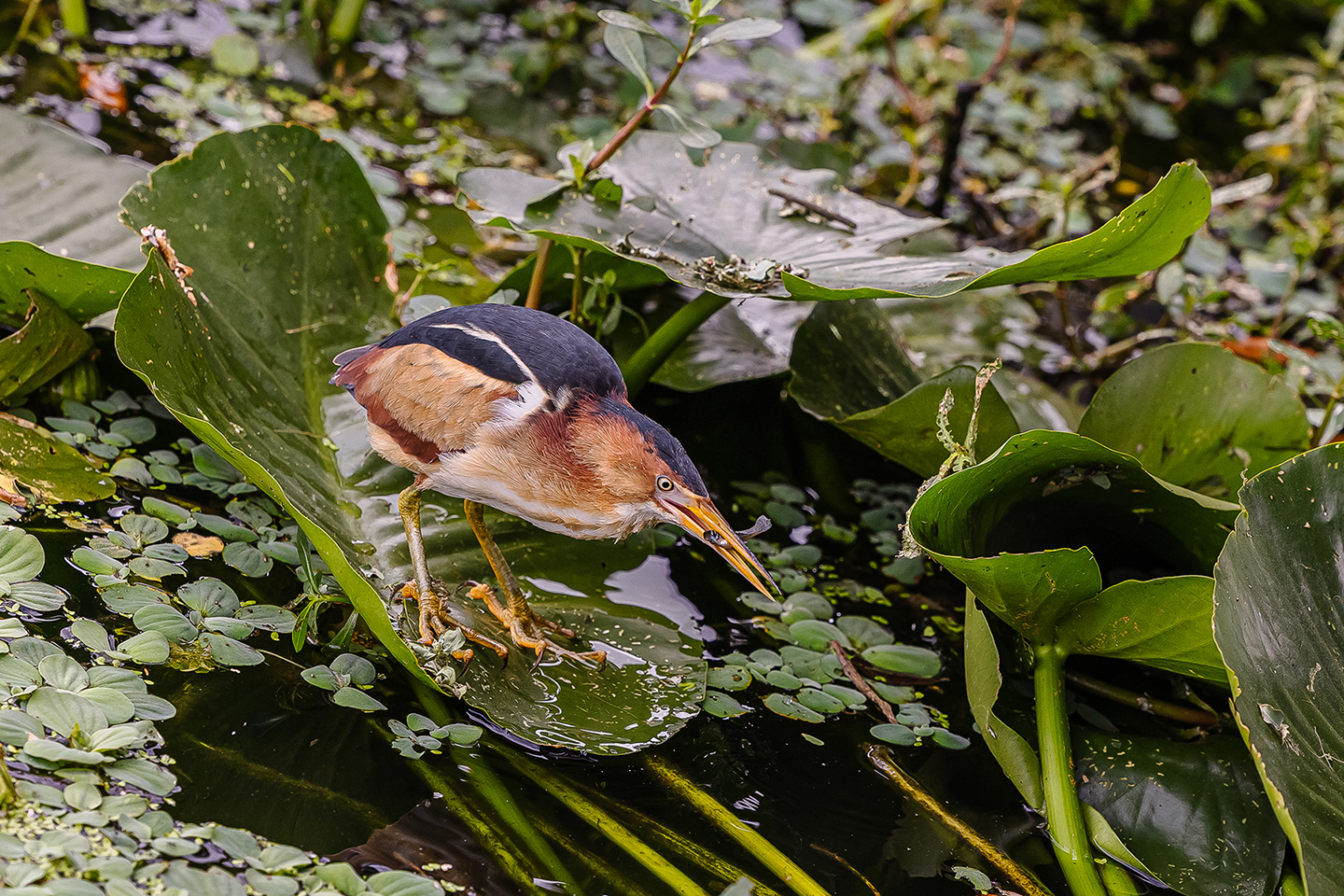
Least Bittern. Photo: Lorraine Minns/Audubon Photography Awards
|
|
Ocklawaha Bill Passes House, Time Running Out for Senate Vote
|
Tributaries of St. Johns River, HB 981, sponsored by Rep. Duggan (R- Jacksonville), passed the full House this week with a vote of 107 yeas and 3 nays.
The bill focuses on ecological restoration and management of key waterways feeding into the St. Johns River, particularly the Ocklawaha River and its connected systems such as Silver Springs and Silver River.
The Senate bill, SB 1066 by Sen. Brodeur (R-Sanford), unfortunately, appears to have run into some trouble.
In an effort to move the measure in the Senate, Sen. Duggan filed a floor amendment to SB 302, Coastal Resiliency by Sen. Garcia (R-Miami), that clarifies and strengthens language supporting nature‑based and environmental restoration priorities, including aspects relevant to the long‑standing Ocklawaha River restoration effort. The bill was placed on the Special Order Calendar for March 9.
|
|
|
|
|
|
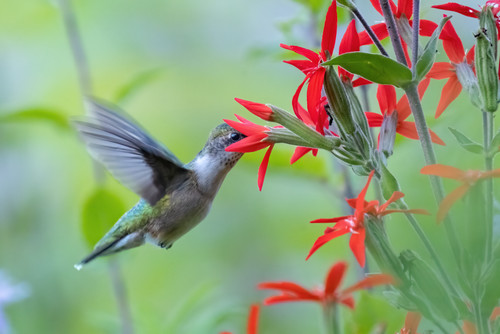
Ruby-throated Hummingbird. Photo: Richard Bennett/Audubon Photography Awards
|
|
Getting a Handle on Biosolids
|
Biosolids Management, HB 1245, by Rep. Shoaf (R-Port St. Joe), passed this House this week. This protective bill increases oversight of Class AA biosolids used in agriculture by limiting how much can be applied to farmland. It establishes new recordkeeping requirements, directs the state to develop rules for distributing and marketing biosolids products, and requires updated agronomic guidance from the University of Florida. The measure also restricts the sale and use of biosolids products unless they meet certain fertilizer or compost standards.
SB 1294 by Sen. Bradley (R-Fleming Island) is on the Senate agenda and scheduled for a floor vote early next week.
HB 1285, Biosolids Management, by Rep. Boyles (R-Milton), passed the full House this week with unanimous support. The bill prohibits the Department of Environmental Protection from issuing or renewing licenses for Class B biosolids land application if certain wastewater treatment facilities are available within thirty miles of the land application sites.
The Senate companion, SB 1474 by Sen. Gaetz (R-Pensacola), is on the Senate agenda for next week. Passing stronger biosolids protections is important for safeguarding Florida’s water quality and ensuring biosolids are managed safely and responsibly.
Bills like SB 1294 and SB 1474 are necessary because they set clearer limits on how biosolids can be applied to land and require better oversight to prevent practices that could harm communities and the environment.
|
|
|
|

|
|
Northern Harrier. Photo: Jose Mendoza/Audubon Photography Awards
|
|
Time Running Out for Cattle Grazing on Public Lands Bill
|
Cattle Grazing on State Land, HB 1421, by Rep. Albert (R-Winter Haven), would require entities managing state‑owned conservation lands to consider and allow private cattle grazing on compatible parcels when updating or developing land management plans. The bill was amended on the House side in committee to ensure that grazing would only be permitted if it were compatible with the conservation and recreational purposes of the property—a much higher bar than the bill's initial "suitability." It also specifies that grazing leases may not allow the conversion of native wildlife habitat to improved pasture.
HB 1421 has passed the House; however, its Senate companion, SB 1658 by Rep Truenow (R-Tavares), has not passed all its committees of reference in the Senate—and time is running out. The Senate version has not been amended and includes the broad initial language that would not consider compatibility in the grazing determination.
|
|
|
|
|
|
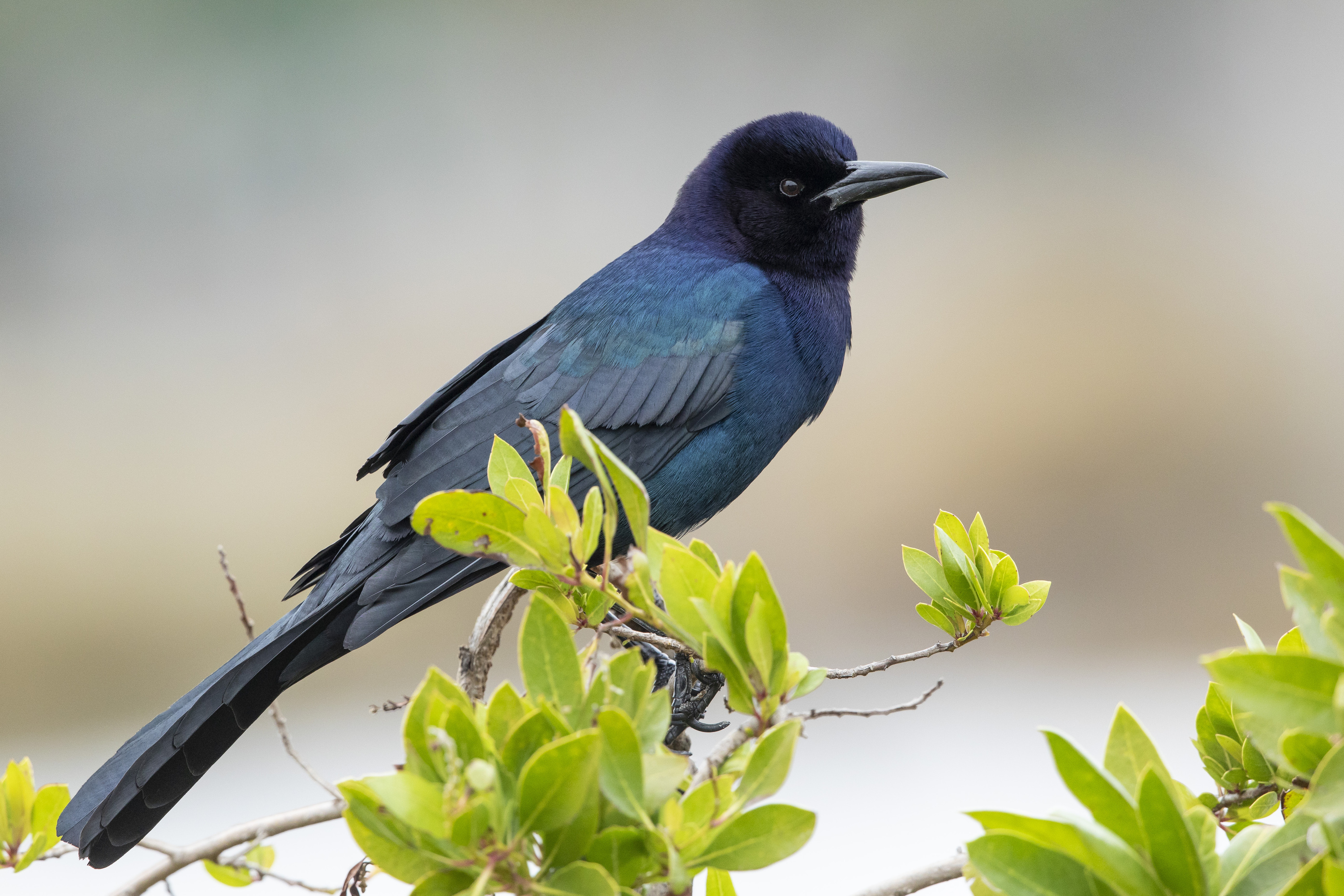
Boat-tailed Grackle. Photo: John Troth/Audubon Photography Awards.
|
|
PFAS "Forever Chemicals" Bills Nearing Passage
|
Perfluoroalkyl and Polyfluoroalkyl Substances, SB 1230, by Sen. Harrell (R-Stuart), aims to phase out and regulate the use of firefighting foam containing PFAS. It would prohibit non‑emergency use of aqueous film-forming foam (AFFF) starting in 2026, ban its sale and distribution by 2027, and eventually prohibit its possession and use altogether. The bill also requires certain public entities that handle wastewater biosolids to conduct PFAS sampling and report results to the Department of Environmental Protection.
Similarly, House Bill Perfluoroalkyl and Polyfluoroalkyl Substances, HB 1019, by Rep. Conerly (R-Lakewood Ranch), mirrors many PFAS provisions in SB 1230. It is currently “in messages,” which means that the Senate decided to take up and pass the House version and has now sent it back to the lower chamber for concurrence.
Together, these bills represent coordinated legislative action to reduce PFAS use and improve environmental monitoring in Florida.
|
|
|
|
Keep your network informed of opportunities and ways to get involved by sharing this newsletter today.
|
|
|
|
|



