As the 2026 legislative session comes to a close, legislators are leaving Tallahassee without resolving one of their most important responsibilities: finalizing the state budget. The two chambers have not yet agreed on overall spending allocations and remain roughly $1.4 billion apart, with the House proposing a smaller overall budget than the Senate. Until those top-line numbers are settled, formal conference negotiations cannot begin, requiring lawmakers to return to complete the process at a later date.
Tax reform also dominated this session. Lawmakers filed numerous bills aimed at reducing or restructuring property taxes amid growing political pressure on the issue. Despite the flurry of proposals, however, only one property tax bill passed the House floor, while the Senate did not advance a comparable measure.
Lawmakers are expected to return to Tallahassee in mid-April to complete work on the state budget for the upcoming fiscal year and to address redistricting. Our work is not done. As the budget conference process begins, we will be asking for your help to advocate for strong funding for Florida Forever, Everglades restoration, and other important environmental programs that protect Florida’s wildlife, water, and natural lands.
The following summary highlights some of the most significant environmental bills considered this session—and what they could mean for Florida’s wildlands, wetlands, and coastal ecosystems.
|
|
|
|
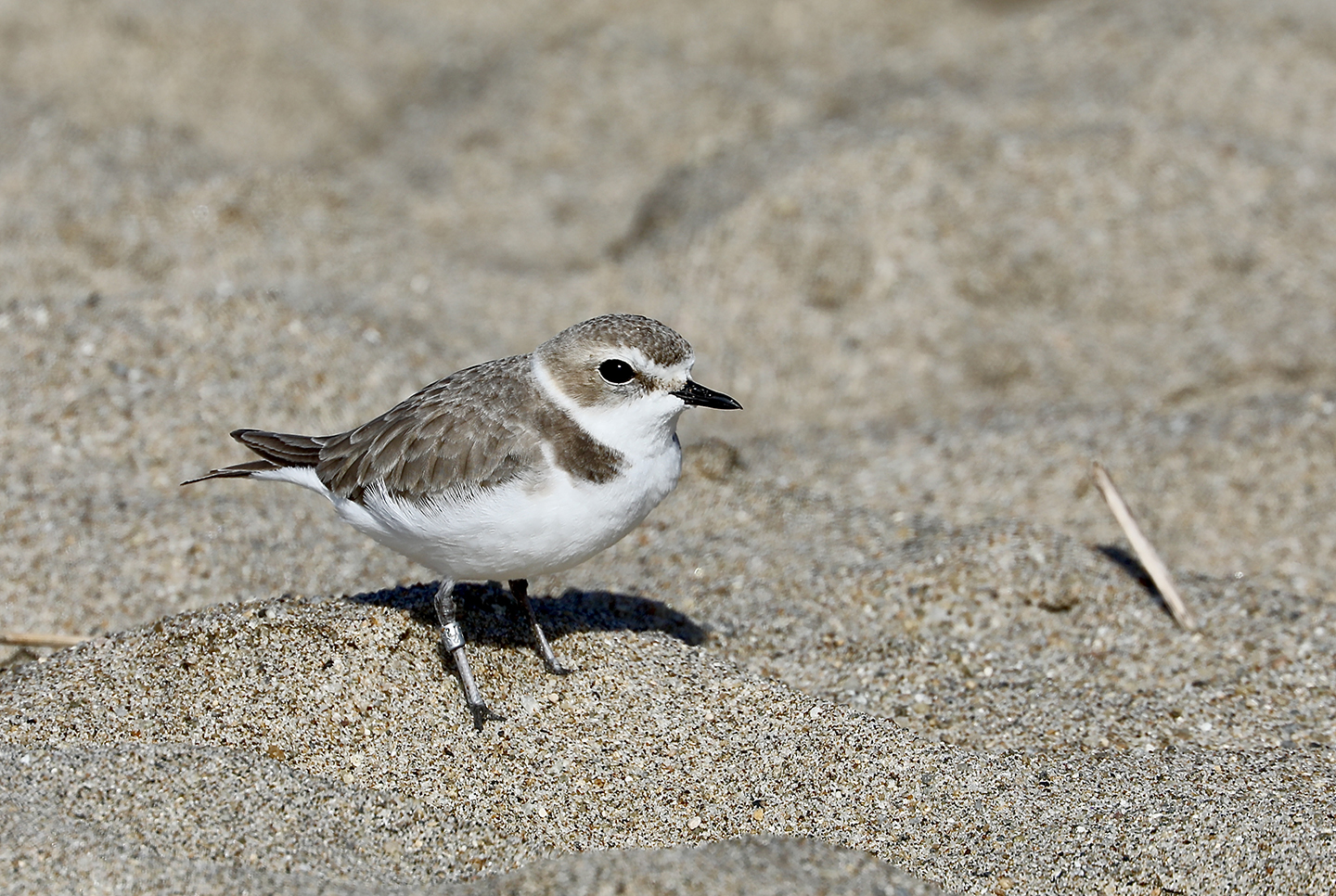
Snowy Plover. Photo: Bethany Kilzer/Audubon Photography Awards
|
|
Concerning Bills That Passed
|
The 2026 Florida Farm Bill, SB 290
The 2026 Florida Farm Bill, SB 290 by Sen. Truenow (R-Tavares), makes changes to numerous programs within the Department of Agriculture and Consumer Services (FDACS), but unfortunately weakens key protections for Florida’s environment.
Provisions in the bill allow conservation lands other than state parks, state forests, and wildlife management areas bought after 2023 to be reviewed for agricultural “suitability” and possibly sold off for farm use, with the state retaining a Rural and Family Lands easement to prevent future development. Sale proceeds would go to fund the FDACS' Rural and Family Lands Program instead of being returned to the Florida Department of Environmental Protection’s (DEP) Florida Forever program. This would create a pipeline in which some lands acquired in fee title under the Florida Forever program could be converted to agricultural use and then remain protected only by the terms of a Rural and Family Lands easement, permanently weakening Florida’s conservation system and excluding public access from lands shifted to agriculture.
SB 290 includes an amendment by Sen. Harrell (R-Stuart) that prevents lands necessary for Comprehensive Everglades Restoration Plan projects from being considered surplus to Agriculture. Biosolids regulations are also loosened, moving toward Class AA applications without clear permits or DEP oversight, raising risks to water quality and public lands. (Another bill passed this session appears to counteract this change, however.) Audubon called attention to these harmful provisions.
On a positive note, the bill’s sponsors in both the House and the Senate made statements on the floor during debate that all such surplus decisions would be reviewed by the Acquisition and Restoration Council (ARC) and could be approved only by a public vote of the Governor and Cabinet.
Early versions of the bill included a provision expanding “food disparagement” language that could have allowed lawsuits against criticism of agricultural practices, but it was later removed in the face of public opposition.
We thank our advocates for reaching out to their legislators
|
|
|
|
|
|
Sandhill Crane. Photo: Jacqueline Burke/Audubon Photography Awards
|
Local Land Planning and Development Bill
Local Land Planning and Development, HB 927 by Rep. Sapp (R-Palatka) and SB 1138 by Sen. Massullo (R-Inverness), speed up the process for approving development permits by requiring local governments to meet strict review deadlines, allowing private contractors to help review applications, and letting some building permits be issued before final subdivision plans are recorded.
It also limits when cities and counties can delay permits until infrastructure like roads or utilities is completed.
This could be a concern for communities and the environment because it reduces the time and flexibility local governments have to review projects carefully. Faster approvals and the use of private reviewers could weaken oversight of issues like stormwater, wetlands, wildlife habitat, and infrastructure capacity, increasing the risk that development moves forward before impacts are fully addressed. HB 927 was enrolled and will be the version sent to the Governor for his signature.
|
|
|
|
|
|
Common Gallinule. Photo: Amelia Hall/Audubon Photography Awards
|
Onsite Sewage Treatment and Disposal Bill
Onsite Sewage Treatment and Disposal Permits, SB 698 by Sen. Martin (R-Ft. Myers) and HB 589 by Rep. Nix (R-Port Charlotte) change how septic systems are permitted for single-family homes in Florida. Local governments can no longer require homeowners or builders to obtain a state septic system construction permit from the Florida Department of Environmental Protection before issuing building or plumbing permits. Instead, applicants only need to show proof that they have applied for the septic permit.
The bill also clarifies that local septic inspection programs cannot require repairs or upgrades unless a system is actually failing, and it provides a 90-day grace period before new state septic rules apply to permit applications.
Environmental concerns: Critics warn the change could allow home construction to move forward before septic systems are fully reviewed or approved, potentially increasing the risk of poorly sited systems that contribute nutrients and pollution to Florida’s groundwater, springs, and waterways.
HB 589 has been enrolled and will be sent to the Governor.
|
|
|
|
|
|
Tree Swallows. Photo: Chad Weaver/Audubon Photography Awards
|
Land Use and Development Regulations Bill
Land Use and Development Regulations, SB 208 by Sen. McClain (R-Ocala) and HB 399 by Rep. Borerro (R-Miami), makes several changes to Florida’s growth management and land-use review process, accelerating housing development and limiting local government discretion in development decisions. It requires local governments to clearly define how they evaluate compatibility between residential uses in their comprehensive plans and land development regulations.
Helpful amendments adopted in the Senate blunted some of the worst parts of the bill by further clarifying compatibility review standards, outlining procedures for documenting mitigation measures during development review, and reinforcing zoning parity for off-site constructed housing.
Growth management concerns
Environmental and planning advocates have raised concerns that the bill further limits the ability of local governments to manage growth and address development impacts. By restricting how communities can evaluate compatibility and requiring approval of certain housing types in single-family areas, the measure could make it more difficult for local governments to consider infrastructure capacity, environmental constraints, and community planning goals when reviewing new development.
Developers’ amendments to eliminate Urban Growth Boundaries and Rural Protection Areas defeated!
In the last days of session, this bill became the vehicle for several different amendments supported by developers. One filed by Sen. Martin (R-Ft. Myers) and strongly supported by Senate President Pro Tempore Brodeur that would have overruled local protections for rural areas such as Miami-Dade's Urban Development Boundary failed overwhelmingly on a voice vote. Numerous principled senators from both parties spoke out against this harmful amendment prior to its defeat. Even SB 208 sponsor Sen. McClain helpfully joined with the opponents of the amendment, declaring it to be “unfriendly” to his bill.
Unfortunately, fix for 2025's SB 180 withdrawn
In 2025, Sen. DiCeglie (R-Pinellas) came under heavy criticism for that year's SB 180, which, while labeled a disaster relief bill, had sweeping effects, freezing all local government efforts to strengthen land use regulations until October 2027. This year, in response to public outcry, he filed an encouraging bill to correct most of the problems caused by last year’s legislation, which failed to pass. Seeking another vehicle, Sen. DiCeglie filed an amendment to add the SB 180 fix language onto SB 208/HB 399, but withdrew it. With the fix language failing to pass in any form, SB 180's draconian freeze on improvements to land use regulations will remain in effect.
HB 399 was voted through in the full Senate and will be sent to the Governor to be signed into law.
|
|
|
|
|
|
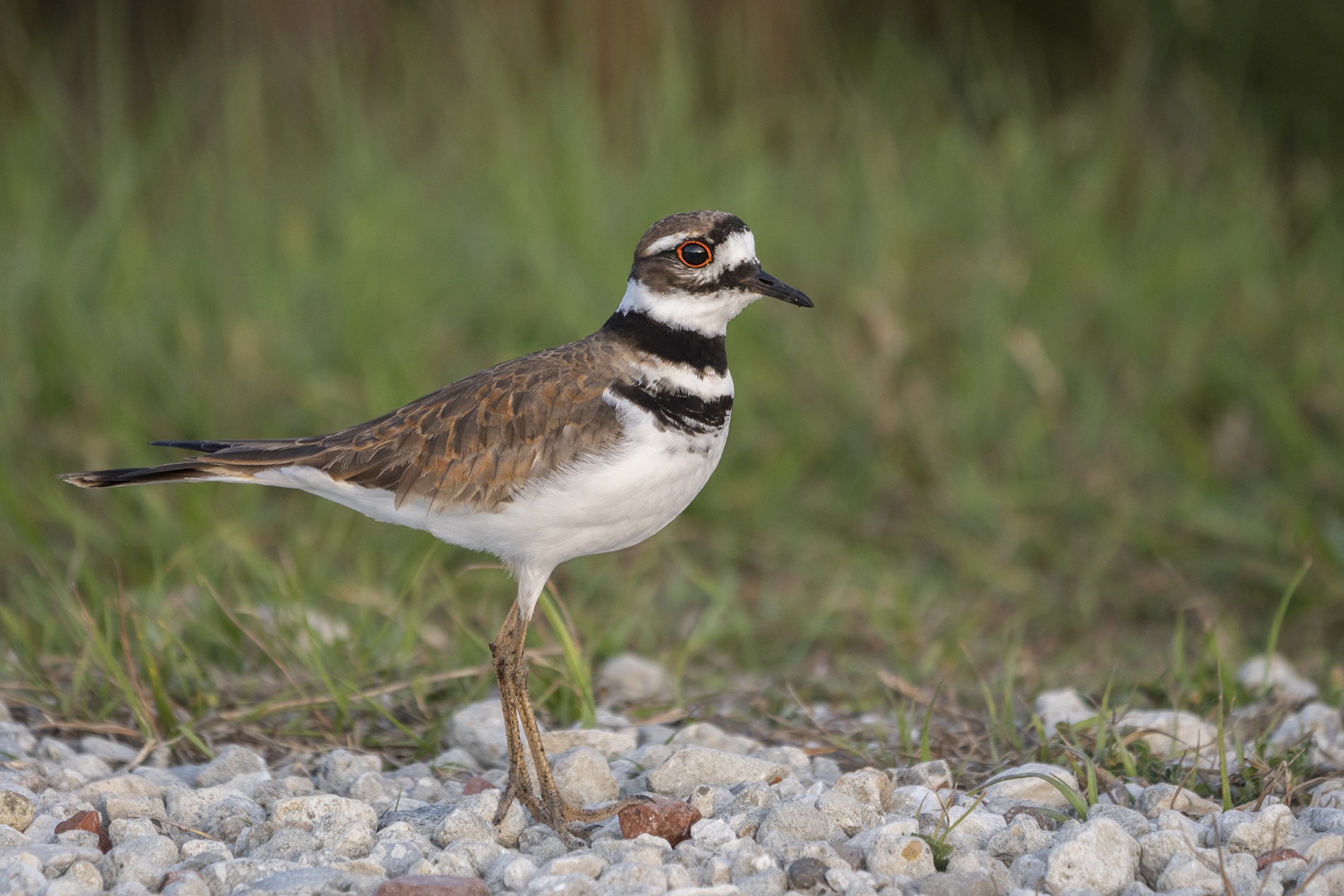
Killdeer. Photo: Mary Ellen Cross/Audubon Photography Awards
|
|
Good Bills that Passed
|
Conservation Lands Bill
Conservation Lands, HB 441 by Rep. Kendall (R-St. Johns) and its Senate companion SB 546 by Sen. Mayfield (R-Melbourne) increase transparency when the state proposes to sell or exchange conservation lands. Filed in response to last year’s controversial proposal to swap land at the Guana River Wildlife Management Area, the bills require the state to give the public at least 30 days’ notice before any deal and to post key information online, including which lands are involved, how they are valued, and why the transaction benefits conservation.
In simple terms, the legislation ensures that the state clearly explains and publicly discloses plans before making major decisions about lands that belong to the people of Florida, helping prevent rushed or behind-the-scenes deals that could permanently alter important natural areas. HB 441 was enrolled and will be sent to the Governor for his signature.
|
|
|
|

|
|
Northern Bobwhite. Photo: John Troth/Audubon Photography Awards
|
Perfluoroalkyl and Polyfluoroalkyl Substances Bill
Perfluoroalkyl and Polyfluoroalkyl Substances, SB 1230, sponsored by Sen. Gayle Harrell (R-Stuart), and its House companion HB 1019 by Rep. Conerly (R-Manatee County), phase out the use of certain firefighting foams known as aqueous film-forming foam (AFFF), which can contain persistent “forever chemicals” linked to environmental and health concerns. The legislation bans the sale, purchase, distribution, possession, and use of these foams and requires covered entities to report existing inventories and submit disposal plans to the Florida Department of Environmental Protection (DEP).
The bill also authorizes DEP to provide grants or cost-share funding to help with replacement and disposal, and establishes penalties and injunctive relief for violations. In addition, it requires quarterly sampling of domestic wastewater biosolids and treated effluent for PFAS for informational purposes until federal standards are finalized—an important step toward better understanding and managing PFAS contamination to protect Florida’s water resources and public health. During the 2026 session, the House bill was substituted for the Senate bill and passed both chambers.
HB 1019 has been enrolled and will be the version going to the Governor for his signature.
|
|
|
|

|
|
Red-tailed Hawk. Photo: Caroline Lichtenberger/Audubon Photography Awards
|
Biosolids Bill
Biosolids, SB 1474 by Sen. Gaetz (R-Pensacola) and HB 1285 by Rep. Boyle (R-Milton), limit when septage and Class B biosolids can be spread on land. They prohibit the Florida Department of Environmental Protection from issuing or renewing permits to dispose of these materials on fields if there is a nearby wastewater treatment plant (within 30 miles) that can accept the waste and treat it at a higher level. Instead of spreading it on land, the waste would need to be sent to the treatment facility, where it can be handled more safely.
This is good for the environment and nearby communities because land application of septage and lower-treated biosolids can carry nutrients, pathogens, and other pollutants that may run off into waterways or affect groundwater and residents. Requiring treatment at a proper wastewater facility when one is available helps reduce pollution risks, protect water quality, and limit odors and health concerns for surrounding communities.
HB 1285 has been enrolled and will be sent to the Governor.
|
|
|
|
|
|
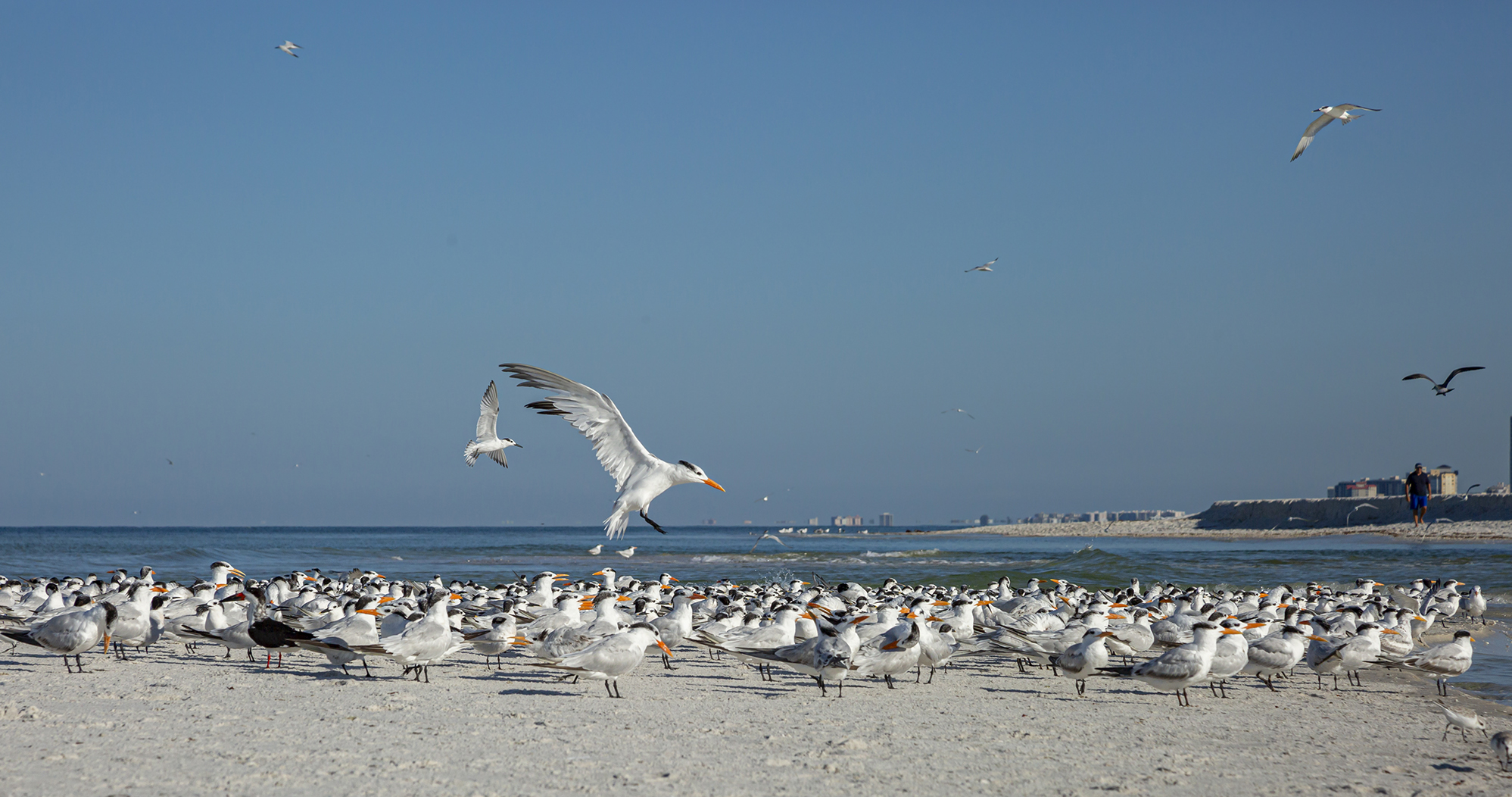
Royal Tern, Sandwich Tern, Black Skimmer. Photo: Jean Hall/Audubon Photography Awards
|
Coastal Resilience Bill
Coastal Resilience, SB 302 by Sen. Garcia (R-Miami) and HB 1035 by Rep. Mooney (R-Key Largo), strengthens protections for Florida’s aquatic preserves while allowing limited restoration work to improve coastal resilience. It restricts dredging and filling in sensitive waters, expands the use of nature-based shoreline projects like living shorelines, and directs the Florida Department of Environmental Protection to create statewide rules for nature-based coastal resilience projects by 2027.
An amendment by Sen. Boyd (R-Bradenton) adds specific protection for the Terra Ceia Aquatic Preserve in Tampa Bay, prohibiting dredging or filling there unless it is necessary for a public purpose or improves water quality. The bill also allows limited dredging in the Biscayne Bay Aquatic Preserve when it is needed to restore natural systems and strengthen coastal resilience.
SB 302 has been engrossed and will be sent to the Governor.
|
|
|
|
|
|
Double-crested Cormorant. Photo: Elizabeth Wolfe/Audubon Photography Awards
|
|
Bills That We Improved
|
Biosolids Bill
Biosolids, SB 11294/HB 1245 by Sen. Bradley (R-Fleming Island) and Rep. Shoaf (R-Quincy), updates Florida’s rules for using Class AA biosolids—treated sewage sludge that is sometimes used as fertilizer on farmland. In plain terms, it says biosolids can only be applied to agricultural land at agronomic rates, meaning only the amount that crops can actually use. The bill prohibits spreading more than that amount, effectively turning the practice into waste disposal rather than fertilizer use. It also requires operators of bulk biosolids application sites to keep records for five years on the type, amount, and timing of biosolids applied, and directs the Florida Department of Environmental Protection to develop new rules for the distribution and marketing of these materials.
The University of Florida’s Institute of Food and Agricultural Sciences will publish updated recommendations on appropriate application rates to help guide safe use. This is important for the environment because applying too much biosolids can allow excess nutrients and contaminants to run off into rivers, lakes, and groundwater, contributing to water pollution and harmful algal blooms. By setting clearer limits, improving recordkeeping, and strengthening fertilizer standards, the bill helps ensure biosolids are used responsibly rather than disposed of on farmland. Audubon worked with lawmakers to improve the originally filed bill, helping add clearer environmental safeguards and standards to better protect Florida’s water resources and nearby communities. HB 1245 was enrolled and will be sent to the Governor to be signed into law.
|
|
|
|
|
|
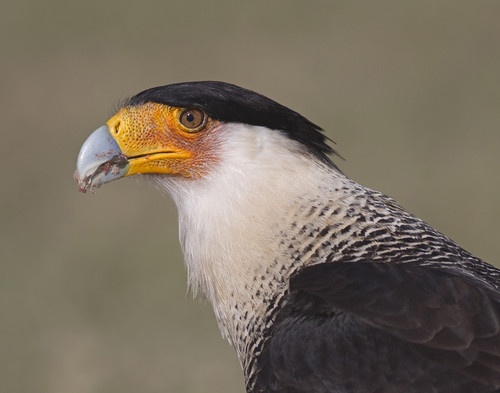
Crested Caracara. Photo: Rob Sabatini/Audubon Photography Awards
|
Agricultural Enclave Bill
The Agricultural Enclave Bill, SB 686 by Sen. McClain (R-Ocala) and its companion HB 691 by Rep Botana (R-Bonita Springs) changes the rules for “agricultural enclaves”—farm lands mostly surrounded by developed areas. Landowners can apply to have their land certified as an enclave, and local governments must review and hold a hearing quickly. If the government doesn’t decide within the set deadlines, the enclave is automatically approved. Once approved, landowners can develop the land for homes, businesses, or industry, as long as the plans match nearby development, and local governments can’t apply tougher rules than usual.
The bill expands the lands that qualify as enclaves, including parcels next to highways. Lawmakers added protections to keep areas of critical state concern, conservation easements, wildlife corridors, and other sensitive lands safe.
This matters because, without these safeguards, lands meant to protect water, wildlife, or public access could be converted to development. SB 686 streamlines development for farmland while still leaving room to protect key environmental areas. The law takes effect July 1, 2026, and some provisions expire January 1, 2028.
SB 686 has been engrossed and will be sent to the Governor.
|
|
|
|
|
|
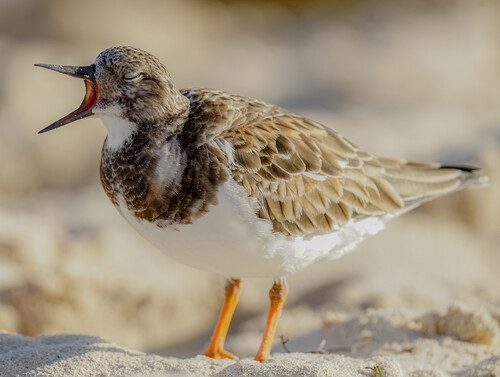
Ruddy Turnstone. Photo: Ariela Cultrera/Audubon Photography Awards
|
|
Florida Department of Environmental Protection Legislation
|
Department of Environmental Protection, HB 1417 by Rep.LaMarca (R- Lighthouse Point) and SB 1510 by Sen. Massullo (R-Inverness), is a wide-ranging bill that makes several updates to environmental regulations and permitting processes. One major change would eliminate the Environmental Regulation Commission, shifting its responsibilities fully to the Department of Environmental Protection.
The bill also adds new requirements for solar facilities, requiring developers to design erosion, sediment, and stormwater controls to handle a 100-year, 24-hour rainfall event to reduce runoff impacts. The legislation expands opportunities for public-private partnerships to support coastal resiliency projects and encourages private investment by allowing faster permitting and creating an online dashboard to track projects. Several provisions deal with wastewater and septic systems.
The bill would extend the deadline from 2030 to 2035 for some commercial and residential properties to connect to central sewer systems or upgrade their septic systems. However, in certain areas of the Indian River Lagoon, smaller properties (10 acres or less) would still be required to connect to sewer or install systems that reduce nitrogen pollution by 65% by July 1, 2030.
Permitting agencies would be required to notify property owners of these requirements when they apply to repair or replace septic systems.
Finally, the bill makes a few administrative changes, including moving the due date for major air pollution license fees from April 1 to June 30.
Overall, the proposal aims to streamline environmental regulation, update stormwater standards for solar development, and encourage investment in coastal resilience projects.
HB 1417 passed both the House and Senate floors and has been enrolled.
|
|
|
|
|
|
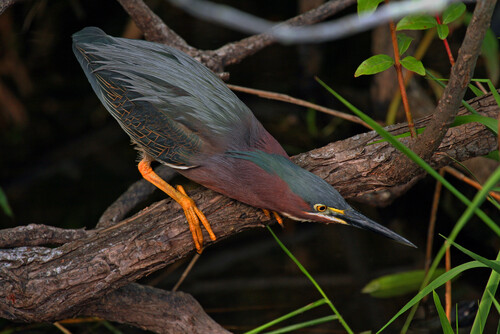
Green Heron. Photo: Pawel/Great Backyard Bird Count
|
|
Bills That Did Not Pass
|
Grazing on State Conservation Lands Bill
Grazing on State Conservation Lands, HB 1421, sponsored by Rep. Albert (R-Frostproof), would require state agencies managing conservation lands to evaluate whether cattle grazing should occur when developing or updating land management plans, identifying areas suitable for grazing, and providing written justification where it is not allowed.
An amendment adopted in the House improved the bill by requiring land managers to evaluate whether grazing is compatible with a tract’s ecological health, wildlife habitat, and public recreation goals, and by prohibiting grazing leases that would convert native wildlife habitat into improved pasture.
The bill passed the House, but the Senate companion, SB 1658 (Sen. Truenow, R-Tavares), was not heard, and the proposal did not become law this session.
Audubon appreciates the work of Rep. Lindsay Cross (D-St. Petersburg) to strengthen the legislation and ensure important protections for native habitat and wildlife were included.
|
|
|
|
|
|
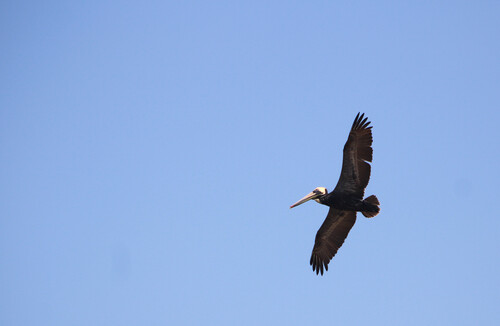
Brown Pelican. Photo: Fabricio Pineda Ortiz/Audubon Photography Awards
|
Ocklawaha Restoration Bill
Tributaries of the St. Johns River, HB 981 by Rep. Duggan (R-Jacksonville), lays out a long-term roadmap to bring the Ocklawaha River back to life while boosting recreation and local economies. It creates a plan to restore the Ocklawaha River and expand recreation and economic opportunities in Northeast Florida, requiring the state to hire a project leader, develop a detailed river restoration plan by 2027, and begin work once funding is available, with restoration targeted for completion by 2032.
The bill also created an advisory council to guide the effort and directs the state to develop an outdoor recreation plan to improve access to the river and nearby springs, along with grants to help local communities build trails, boat launches, and other recreation projects. In addition, the Department of Commerce will create an economic development program to support communities in Marion and Putnam counties as restoration moves forward.
HB 981 passed the House floor last week; unfortunately, the Senate companion, SB 1066 by Sen. Brodeur (R-Sanford), passed all its committees, but was prevented from reaching the Senate Floor by Senate President Albritton, despite the urging of thousands of Ocklawaha advocates.
|
|
|
|

|
|
Yellow-rumped Warbler. Photo: Rebecca Tatterson/Audubon Photography Awards
|
Land and Water Management Bill
Land and Water Management, HB 479, sponsored by Rep. Maggard (R-Zephyrhills), and its Senate companion, SB 718 by Sen. McClain (R-Ocala), would have limited the ability of local governments to adopt or enforce environmental protections related to wetlands, water quality, and pollution control. The bill would prohibit counties and municipalities from regulating certain activities outside wetland buffers and repeal existing land management review teams, effectively shifting more authority over environmental regulation to the state.
Opponents warned the proposal could weaken local efforts to address flooding, stormwater management, and habitat protection by removing the ability to tailor protections to local conditions. HB 479 passed the House Natural Resources and Disasters Subcommittee but did not advance further and remained in the House Intergovernmental Affairs Subcommittee; the Senate companion, SB 718, was never heard in committee.
|
|
|
|
|
|
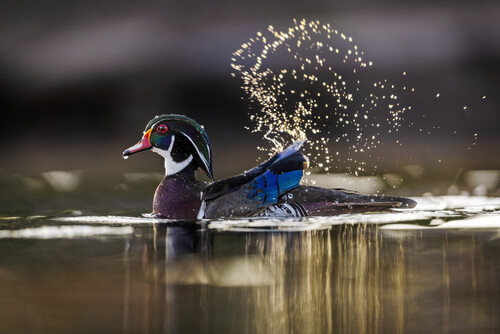
Wood Duck. Photo: Scott Suriano/Audubon Photography Awards
|
|
|
Standards for Stormwater Systems Bill
Standards for Stormwater Systems, SB 558, sponsored by Sen. Burgess (R-Zephyrhills), and its House companion HB 239, sponsored by Rep. Bankson (R-Apopka), would require stormwater systems installed or maintained by local governments to meet Florida Department of Transportation design standards and establish statewide inspection requirements. The bills would preempt certain local stormwater design standards, creating a more uniform statewide framework but potentially limiting the ability of local governments to tailor stormwater management to local environmental conditions.
During the 2026 legislative session, SB 558 was referred to multiple Senate committees but did not receive hearings, and HB 239 also did not advance through the committee process, meaning the proposal did not pass.
|
|
|
|
|
|
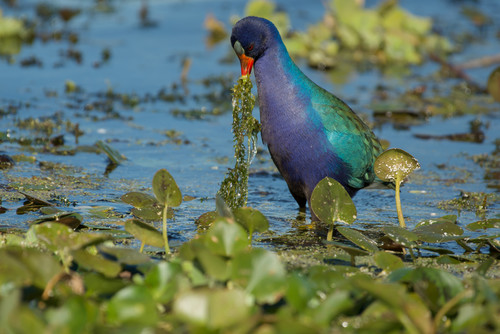
Purple Gallinule. Photo: Lucy Golebiewski/Audubon Photography Awards
|
Blue Ribbon Projects
Florida SB 354 (2026) Blue Ribbon Projects, sponsored by Sen. McClain (R-Ocala), with House companion HB 299 (2026) by Rep. Melo (R-Naples), would have created a new framework for extremely large developments called “Blue Ribbon Projects.”
These projects, greater than 15,000 acres, would have set aside reserve areas in exchange for enjoying a special review process that can override existing local land-use designations and provide long-term vested development rights.
Opposition to this bill from the conservation community and smart growth advocates was fierce throughout session, with conservation champions like Senator Kathleen Passidomo arguing vehemently against the bill in debate on the Senate floor.
Even with improvements adopted by amendment to the bill, the bill could still have encouraged large-scale development in rural and environmentally sensitive areas without guaranteeing lasting conservation protections. It ultimately failed to pass before the end of session on Friday, thanks to advocates like you and the leadership of principled opponents of the bill in the Senate.
|
|
|
|
Keep your network informed of opportunities and ways to get involved by sharing this newsletter today.
|
|
|
|
|



