|
|
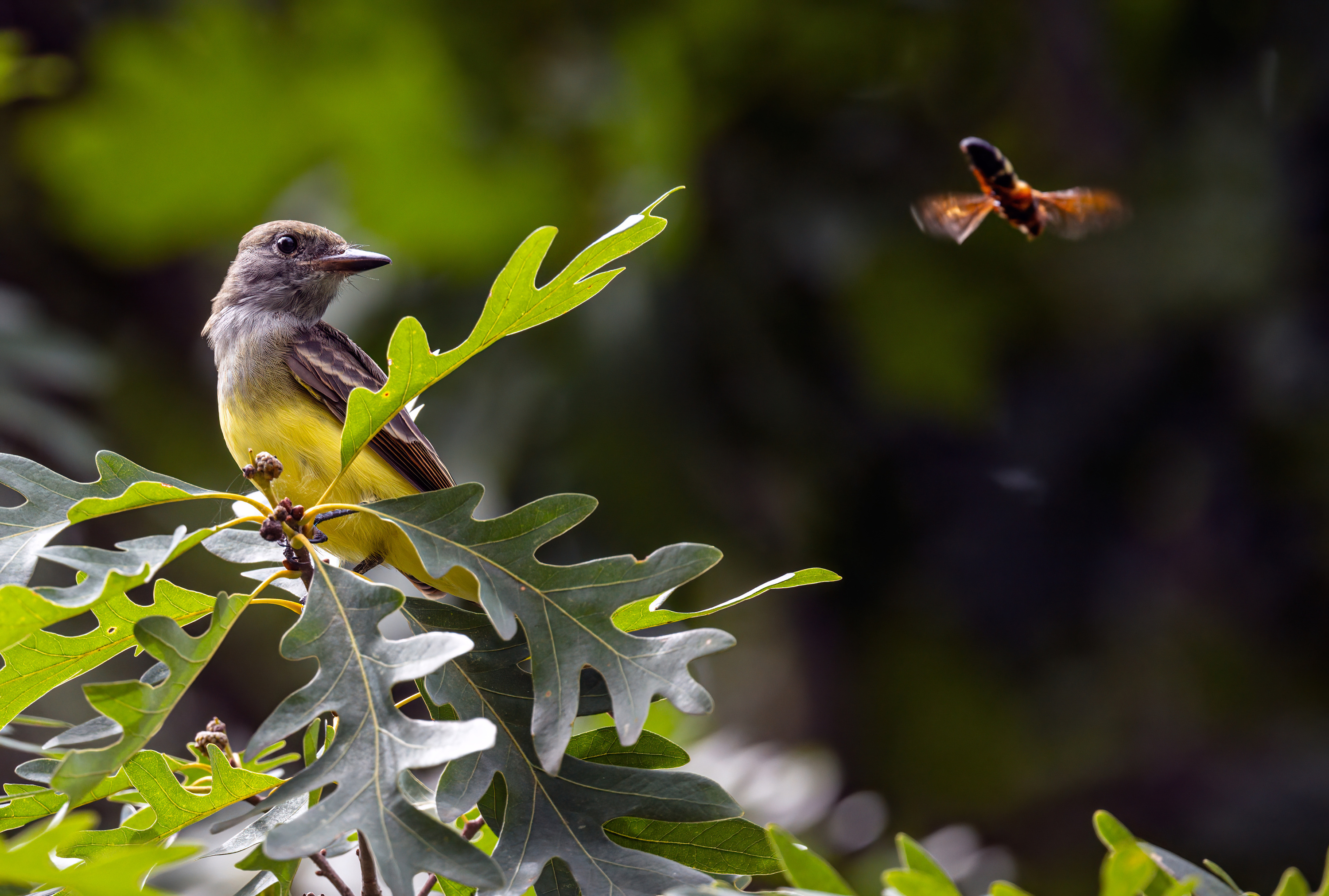
Great Crested Flycatcher. Photo: Susan Berthelot/Audubon Photography Awards.
|
|
Florida Legislature Approves Budget
|
Over the Memorial Day Weekend, the legislature revealed their $114.5 billion state budget for 2026–27, approving it only yesterday. This year's budget was slightly smaller than last year's, despite strong state revenue and rising costs. Legislative leaders framed the lower spending plan as a way to keep taxes low, pay down debt, and prepare for the future.
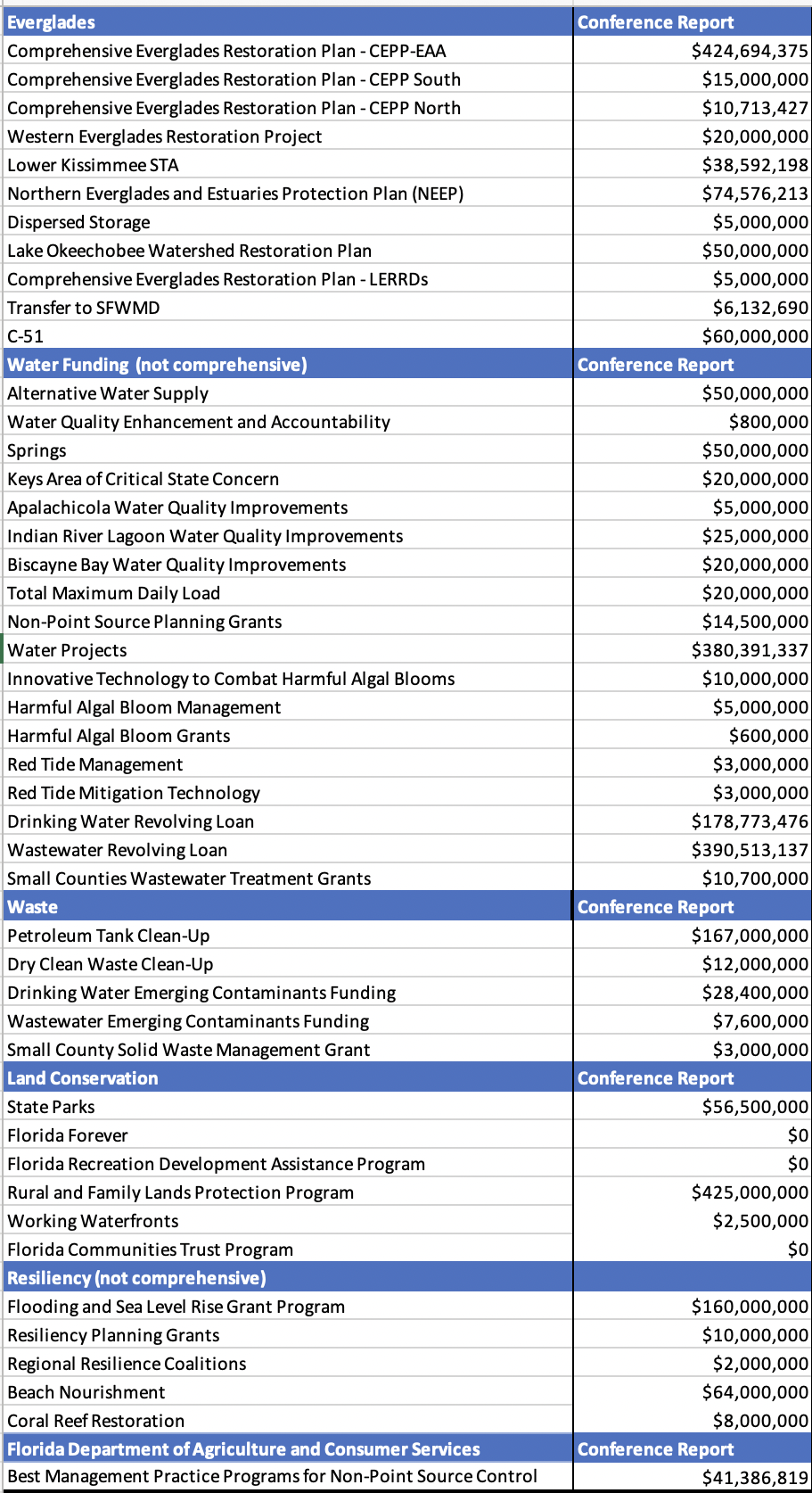
The good news for conservation advocates: The budget includes full funding — $645 million — for Everglades restoration projects, supporting major efforts such as the EAA Reservoir, the Lower Kissimmee Basin Stormwater Treatment Area, the Western Everglades Restoration Project, the Northern Everglades and Estuaries Protection Program, and the Lake Okeechobee Watershed Restoration Plan.
The Agriculture and Environment budget totals about $8.9 billion and includes significant investments in clean water infrastructure, restoration work, and conservation programs across the state. Some examples include:
- Alternative water supply projects to help meet Florida's growing water needs.
- Springs restoration and protection.
- Water quality improvements for Biscayne Bay, the Indian River Lagoon, and the Apalachicola region.
- Harmful algal bloom and red tide research, management, and mitigation.
- Drinking water and wastewater infrastructure improvements, including assistance for small and rural communities.
- Flood resilience, sea level rise adaptation, beach renourishment, and coral reef restoration projects.
The bad news: The final budget includes no new funding for Florida Forever, the state’s premier land conservation program responsible for protecting future state parks, state forests, wildlife habitat, and critical water resources. Even worse, the budget sweeps existing unspent Florida Forever funds into the Rural and Family Lands Protection Program (RFLPP) (see below for more information). Audubon is deeply alarmed by this outcome, and we thank our members and supporters who made their voices heard throughout budget negotiations.
|
|
|
|
How Does the Florida Forever and RFLPP Funding Work This Year?
|
While the final budget includes significant investments in some conservation priorities, including Everglades restoration and water quality, it notably neglects to provide any new dedicated funding for Florida Forever. This is the only program that creates new state parks, forests, and wildlife management areas, with the primary mission of preserving Florida's natural resources.
Instead, the budget provides a hefty $200 million line item to the Rural and Family Lands Protection Program (RFLPP). This program of the Department of Agriculture and Consumer Services purchases conservation easements on working farms and ranches to prevent future development and protect agricultural landscapes.
In addition, Section 151 of the budget sweeps unspent land acquisition funds from a prior Florida Forever appropriation. Of this funding: - An additional $225 million is appropriated to RFLPP for conservation easements on large agricultural properties that have not previously received funding through the program.
- The Florida Department of Environmental Protection is directed to purchase unspecified "public access conservation lands in Okaloosa County," effectively skirting the science-based prioritization and transparency and accountability of the Florida Forever process.
- Any amount remaining may then be used for approved Florida Forever projects within the Caloosahatchee Big Cypress Corridor and the Ocala to Osceola Wildlife Corridor, and finally for projects on the Florida Forever priority list. Of the acquisitions in this third category, the legislation requires that at least 50 percent of those remaining funds be spent on conservation easements rather than outright land purchases. Easements do not allow public access.
While Audubon has long supported RFLPP as an important and valuable component of Florida’s broader conservation strategy — protecting working farms and ranches through conservation easements — Florida leaders historically recognized that both programs are essential because they serve different purposes in preserving the lands and waters that define our state. Florida Forever protects irreplaceable natural landscapes from development, while RFLPP helps sustain agricultural lands and rural heritage. One cannot replace the other.
By pitting these programs against each other, the Legislature has broken faith with the people of Florida and abandoned a longstanding bipartisan commitment to balanced conservation.
We will continue working with elected officials, agency leaders, and conservation partners ahead of the next legislative session to ensure Floridians understand what is at stake. Protecting these lands is not only vital to our wildlife and natural heritage, but also to our economy, water quality, resilience, and quality of life for future generations
|
|

|
|
Red-shouldered Hawk. Photo: Shane Conklin/Great Backyard Bird Count
|
|
Property Tax Proposal Could Have Major Consequences for Local Government Services
|
Next week, the Legislature will be back in Tallahassee to take up the Governor's priority of reducing property taxes. The language proposed for a constitutional amendment (to be voted on in November) would significantly increase Florida's homestead exemption, raising it to $150,000 in 2027 and $250,000 in 2028 for current Florida homeowners. This would have sweeping impacts on local government budgets and their ability to provide services to residents. The Florida Association of Counties estimates county revenue losses of $3.57 billion in FY 2027-28 and $6.32 billion in FY 2028-29.
In addition to the homestead exemption changes, the proposed constitutional amendment includes another provision that would limit how cities and counties can spend ad valorem revenues, significantly restricting how local governments can use property tax dollars.
Under the language currently being considered, cities and counties could only use ad valorem revenues for:
- Public safety, including law enforcement, fire services, and emergency medical services;
- Education and public schools;
- Infrastructure, including roads, bridges, and stormwater control;
- Natural resource projects, including flood control measures;
- Debt payments and local bonds; and
- Retirement benefits for local government employees.
If a service or program is not included on this list, local governments may no longer be able to fund it with property tax revenue.
That raises significant questions about the future funding of programs such as parks and recreation, libraries, civic centers, pollution control efforts, land-use planning, and other local government services that communities rely on. Without definitions for terms such as "natural resource projects," and without language making clear that the examples provided in each category are illustrative rather than limiting, it is possible that local conservation land acquisition programs, land management, habitat restoration, and other environmental initiatives may not qualify for funding.
If approved by voters without further changes, this proposal would not only significantly reduce the amount of funding cities and counties have available to support their communities, it would also narrow the range of services they are able to fund with the property tax revenues that remain. Local governments may increasingly have to rely on state appropriations or alternative revenue sources to address needs that have traditionally been funded and managed at the local level.
|
|
Keep your network informed of opportunities and ways to get involved by sharing this newsletter today.
|
|
|
|
|



