Week 6 saw a House and Senate far apart on budget proposals. Audubon continues to track land-use bills, pre-emption bills, the agriculture omnibus bill, and more. In a new development, a bill amendment was filed in an attempt to prevent construction on a new port in the Tampa region. Read on for a full update!
|
|
|
|
|
|
|
|
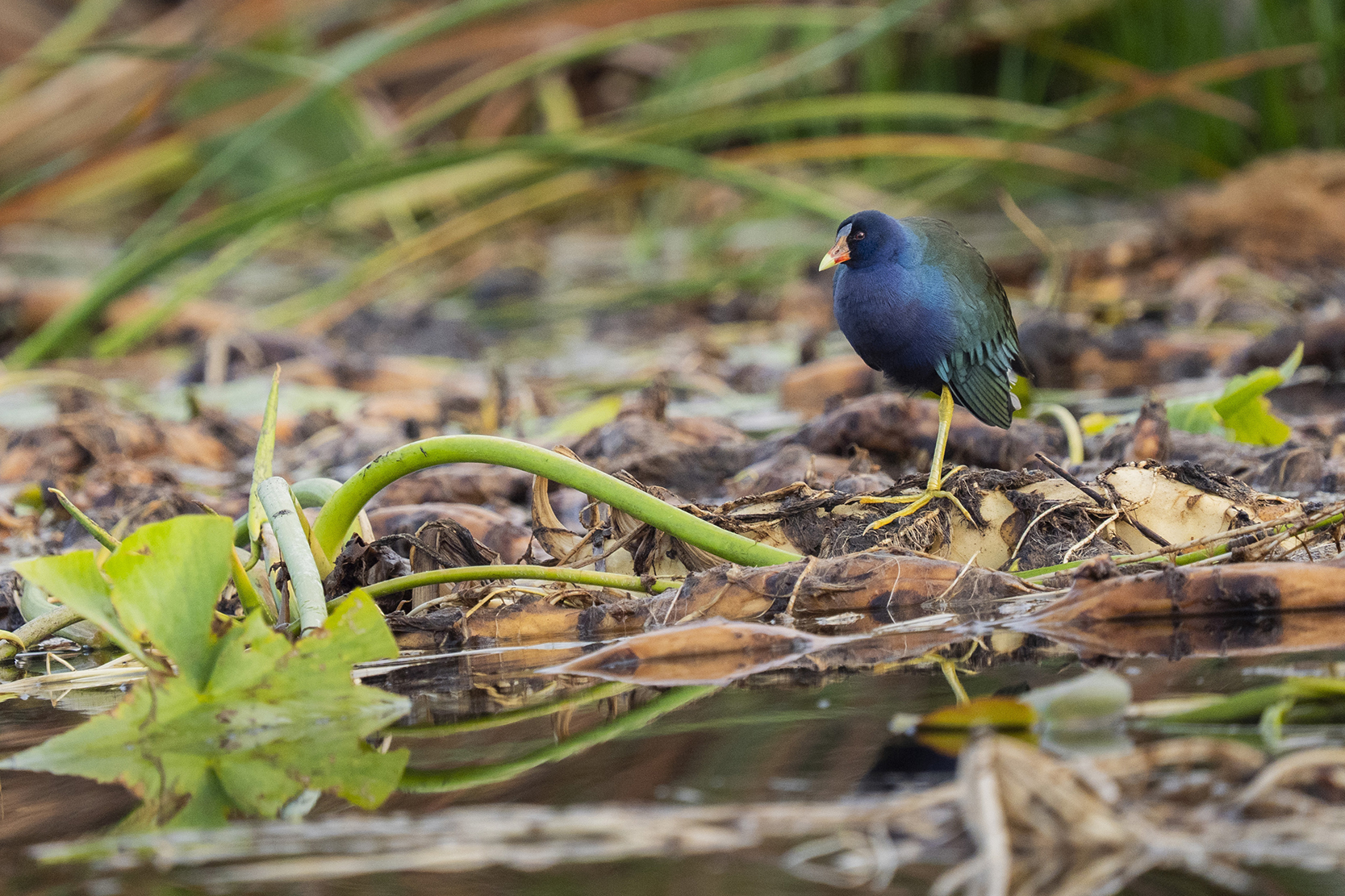
Purple Gallinule. Photo: Sydney Walsh/Audubon
|
|
Budget Negotiations Set to Begin
|
Both the Senate and House have now passed their budgets and appointed conferees to negotiate the differences. Even though the two proposals are more than $1.4 billion apart — with the Senate at $115 billion and the House at a leaner $113.6 billion — the Legislature remains on track to wrap up its work on time this Session. Lawmakers still need to reconcile those differences, and they must reach a final agreement by March 10 to meet the constitutional deadline to adjourn on March 13.
Because the state budget is the only bill lawmakers are required to pass each year, these negotiations will shape funding levels for conservation programs, land management, water quality initiatives, and support for local governments heading into the 2026–27 fiscal year, which begins July 1. Read more about the budget from last week's Audubon Advocate.
|
|
|
|

|
|
Eastern Bluebird. Photo: Jeff Flinn/Audubon Photography Awards
|
|
Property Tax Proposal Raises Concerns for Local Governments
|
The House also passed a proposal that would ask voters to eliminate most property taxes on homesteaded property, except those supporting schools. While supporters frame the measure as affordability relief, local government leaders have warned it could significantly reduce county and municipal revenues — potentially forcing cuts to essential services, including public safety, infrastructure, environmental management, and local planning functions.
Critics argue that without a clear replacement revenue source, the proposal could weaken local governments’ ability to manage growth, protect natural resources, and maintain critical services. Supporters counter that property tax collections have risen sharply in recent years and say voters should decide the issue.
As both budget negotiations and tax policy debates continue, the outcome will have major implications not only for state spending priorities but also for the fiscal stability and effectiveness of local governments tasked with managing Florida’s growth and protecting its environment.
|
|
|
|

|
|
Cows grazing in a pasture. Photo: Pixabay
|
|
House Bill Would Require Managers of State-owned Lands to Consider Cattle Grazing
|
Sponsored by Rep. Albert (R-Frostproof), HB 1421 would require managers of state-owned conservation lands, including public parks, to evaluate and consider cattle grazing when developing or updating land management plans. Any areas deemed suitable for grazing would have to be identified in the plan and made available for lease, while lands found unsuitable would require a written explanation in the management plan.
Good Amendment News
Audubon was glad to see an amendment filed by Rep. Cross (D-St. Petersburg) adopted to HB 1421 at the State Affairs Committee (Chair, Rep. Robinson (R-Manatee County)), that revises how cattle grazing would be considered on state conservation lands. When developing or updating a land management plan, managers must identify existing grazable lands and evaluate whether leasing property for cattle grazing is compatible with the tract’s ecological, wildlife, and public recreation goals.
The amendment also specifies that grazing leases may not allow the conversion of native wildlife habitat to improved pasture. The Senate companion, SB 1658, has not been heard in committee yet.
|
|
|
|
|
|
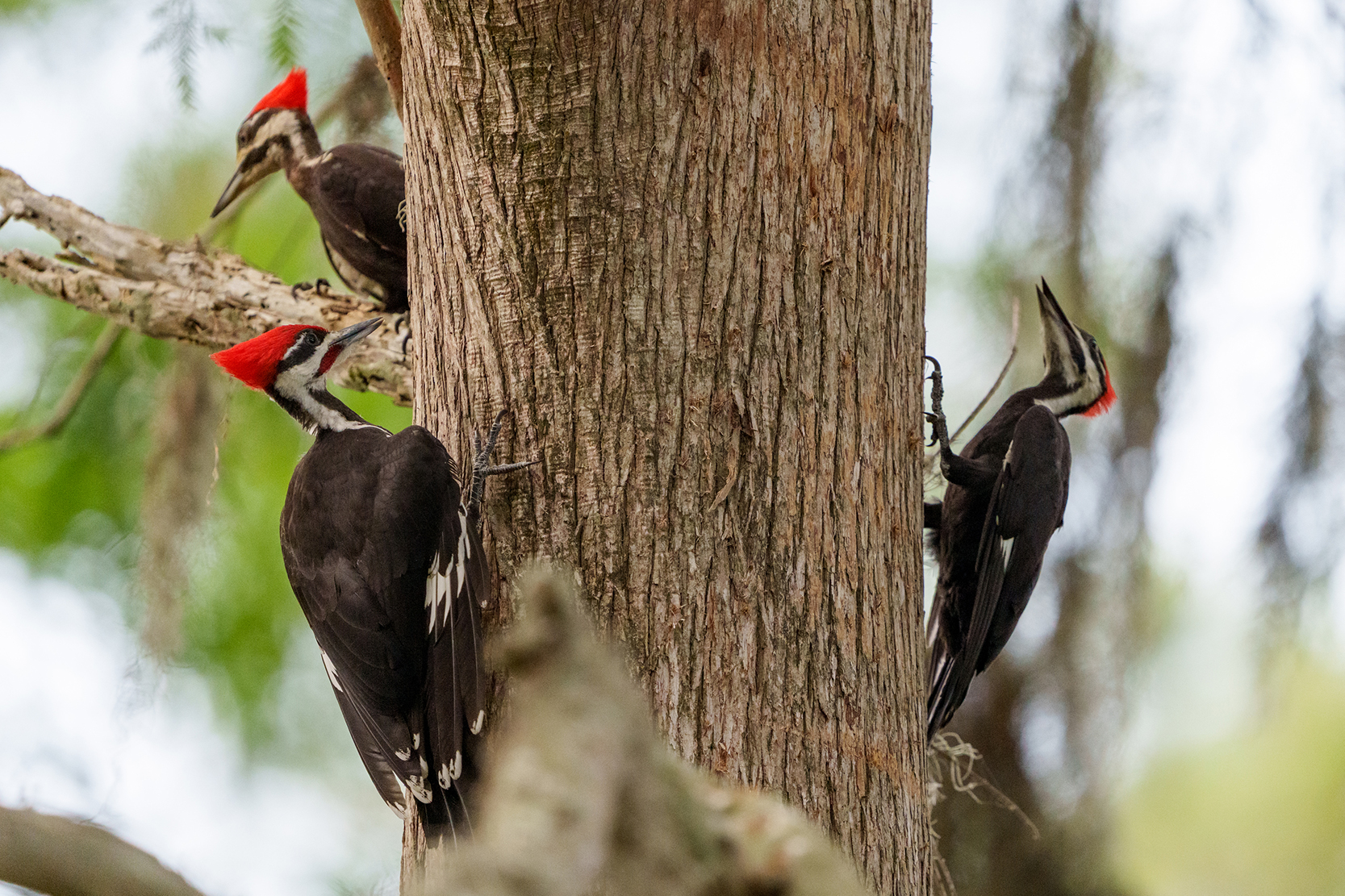
Pileated Woodpeckers. Photo: Douglas Defelice/Audubon Photography Awards
|
|
New Bill Would Phase Out the Use of Certain Firefighting Foams
|
Perfluoroalkyl and Polyfluoroalkyl Substances, HB 1019, by Rep. Conerly (R-Manatee County) would phase out the use of certain firefighting foams known as aqueous film-forming foam (AFFF), which can contain persistent “forever chemicals” linked to environmental and health concerns. The bill would ban the sale, purchase, distribution, possession, and use of these foams. Covered entities would be required to report existing AFFF inventories and submit disposal plans to the Florida Department of Environmental Protection (DEP). The bill also authorizes DEP to offer grants or cost-share funding to assist with replacement and disposal efforts and provides for penalties and injunctive relief for violations.
The legislation would require quarterly sampling of domestic wastewater biosolids and treated effluent for PFAS, solely for informational purposes until federal standards are set. This is an important step toward better understanding and managing PFAS contamination, helping protect Florida’s water resources, public health, and downstream communities while federal regulations are being finalized.
Committee Movement Update
The bill was voted favorably out of the State Affairs Committee and is now on the special order calendar on the House floor.
Its Senate companion, SB 1230, by Sen. Harrell (R-Stuart), is on second reading on the Senate floor.
|
|
|
|
|
|
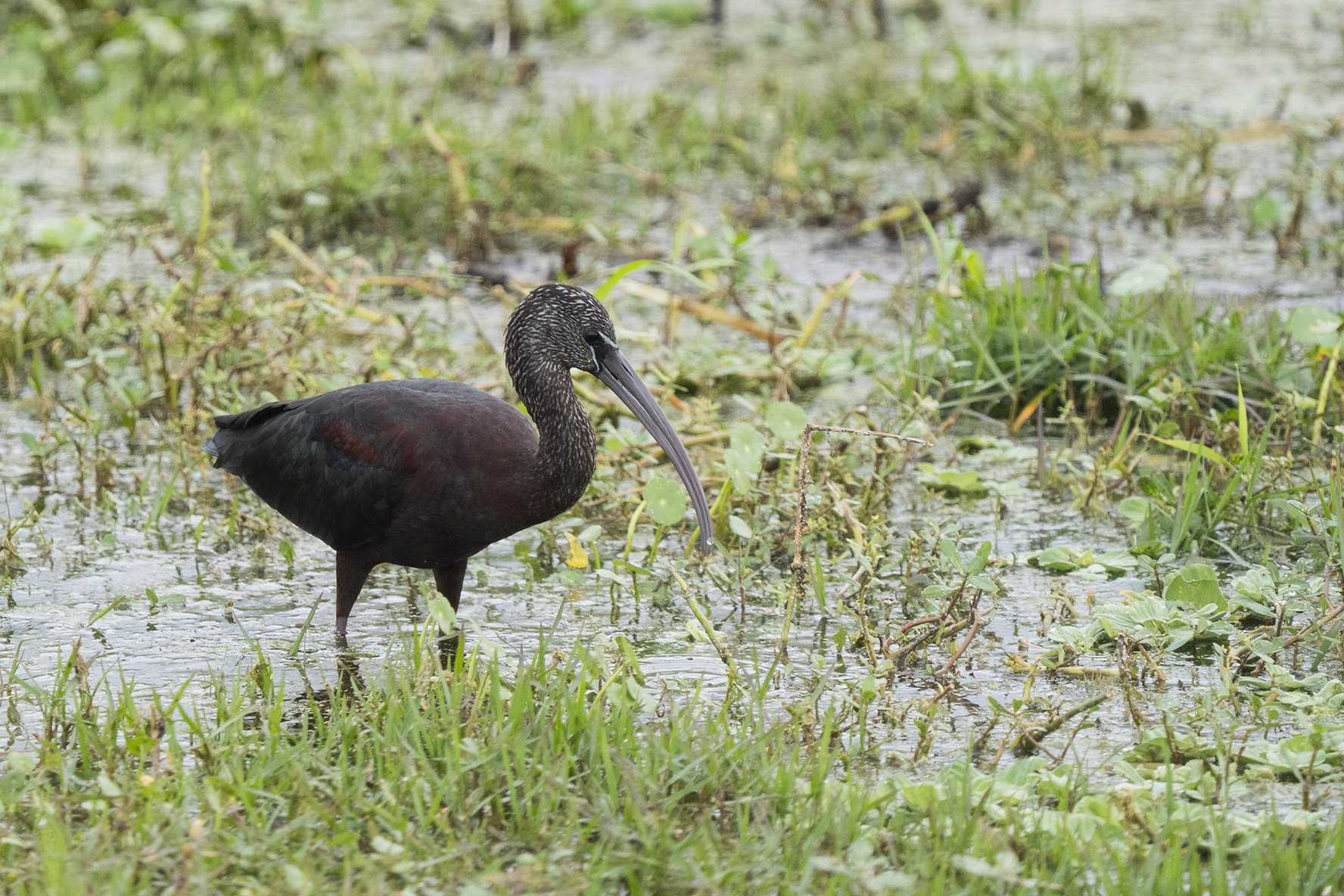
Glossy Ibis. Photo: Sydney Walsh/Audubon
|
|
Bill to Require Transparency After Failed Guana Land Swap Heads to Senate Floor
|
Audubon is glad to see SB 0546, Conservation Lands, by Sen. Mayfield (R-Brevard County), pass its last committee of reference, Senate Rules (Chair, Rep. Passidomo (R-Naples)), and is placed on the calendar, on its second reading.
How This Bill Will Help Conservation Lands
The legislation focuses on increasing transparency and establishing clear standards for how the state may sell or exchange conservation lands. Under the proposal, the public must receive at least 30 days’ notice before any conservation land sale or swap moves forward. These measures are designed to ensure greater accountability and transparency when decisions are made about Florida’s public conservation lands. The House companion, HB 441 by Rep. Kendall (R-Jacksonville), passed the House floor and is referred to Rules.
|
|
|
|
|
|
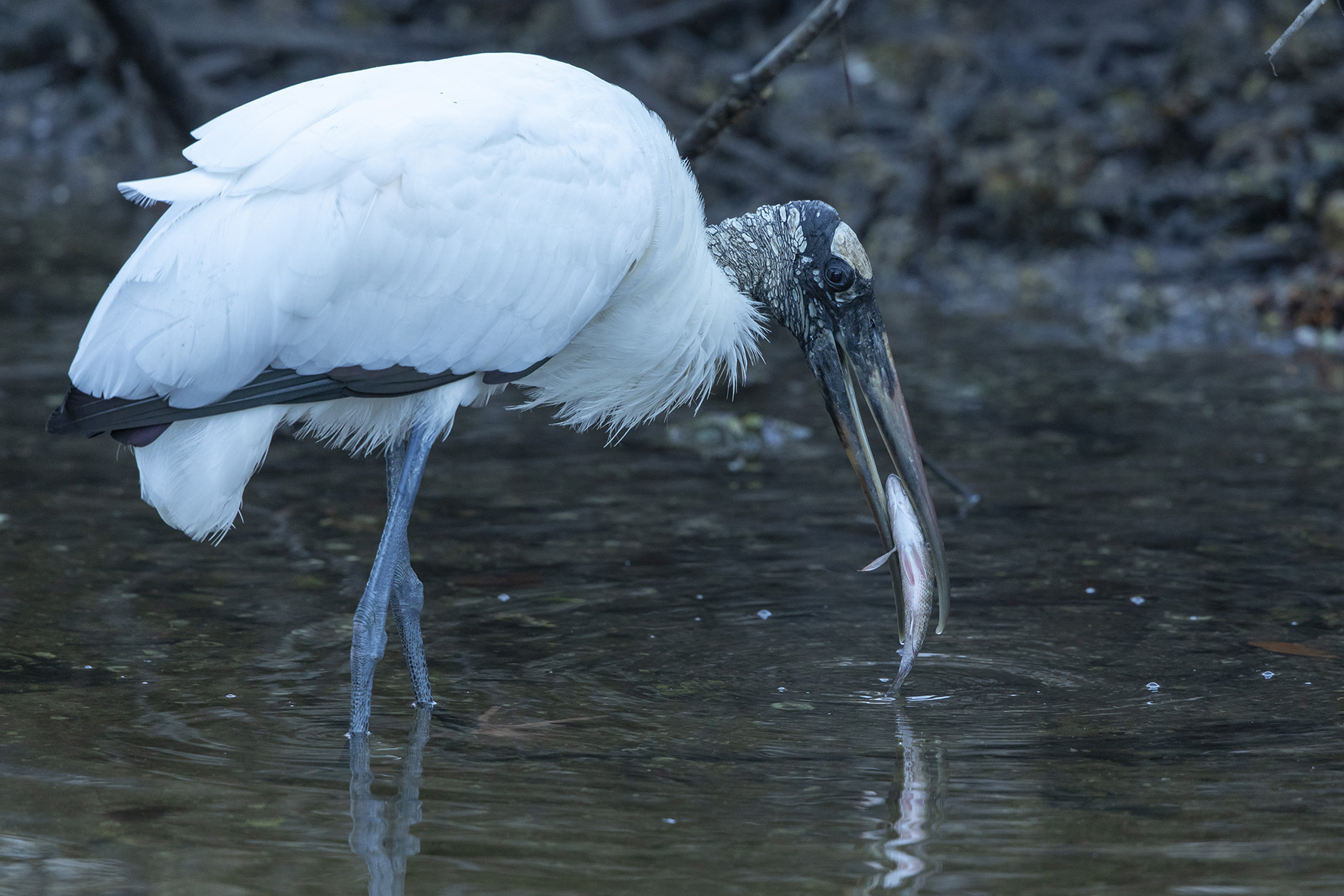
Wood Stork. Photo: John Troth/Audubon Photography Awards
|
|
Bill Would Fast-Track Large Development Approvals
|
The Blue Ribbon bill, HB 299 by Rep. Melo ( R-Ft. Myers), passed the House Commerce Committee this week (Chair, Rep. Buchana (R-Sarasota)). The bill is designed to fast-track approvals for very large developments of 10,000 acres or larger in exchange for setting aside 60% of project acreage as a “reserve.” The process has been described as a heavily accelerated, deregulated version of traditional sector plans. Proponents argue they provide a "solutions-oriented" approach to conserving land without taxpayer expense.
Amendment Update
The latest version of the bill includes several notable changes aimed at clarifying and strengthening the reserve area framework:
- The amendment revised the definition of the reserve area and reorganized the structure to provide greater clarity than prior versions.
- The measure caps “uses of public benefit” at 15 percent of the reserve and explicitly prohibits golf courses, data centers, and solar facilities within those areas, reinforcing the intent that reserve lands prioritize long-term conservation.
- Parks within the reserve are now limited to passive uses, marking another tightening of allowable activities.
- The bill also incorporates Chapter 163 statutory definition of contiguity, an approach that reflects the realities of managing large, working rural properties and supports landscape-scale conservation planning.
- The amendment’s inclusion of local government planning and zoning review, as well as county commission oversight — along with allowing Blue Ribbon projects to move through the comprehensive plan amendment process — were positive developments.
SB 354 from Sen. McClain (R-Ocala) is awaiting its final committee stop in the Senate Rules Committee. As the bill moves forward, there are several areas where additional clarity or refinement would strengthen the framework:
- Establish clear, enforceable standards to ensure perpetual protection.
- Add consistent recording requirements for all qualifying reserve lands.
- Provide greater clarity on long-term monitoring and enforcement of agreements used in lieu of traditional easements.
Audubon continues to work with the sponsors on this bill.
|
|
|
|
|
|
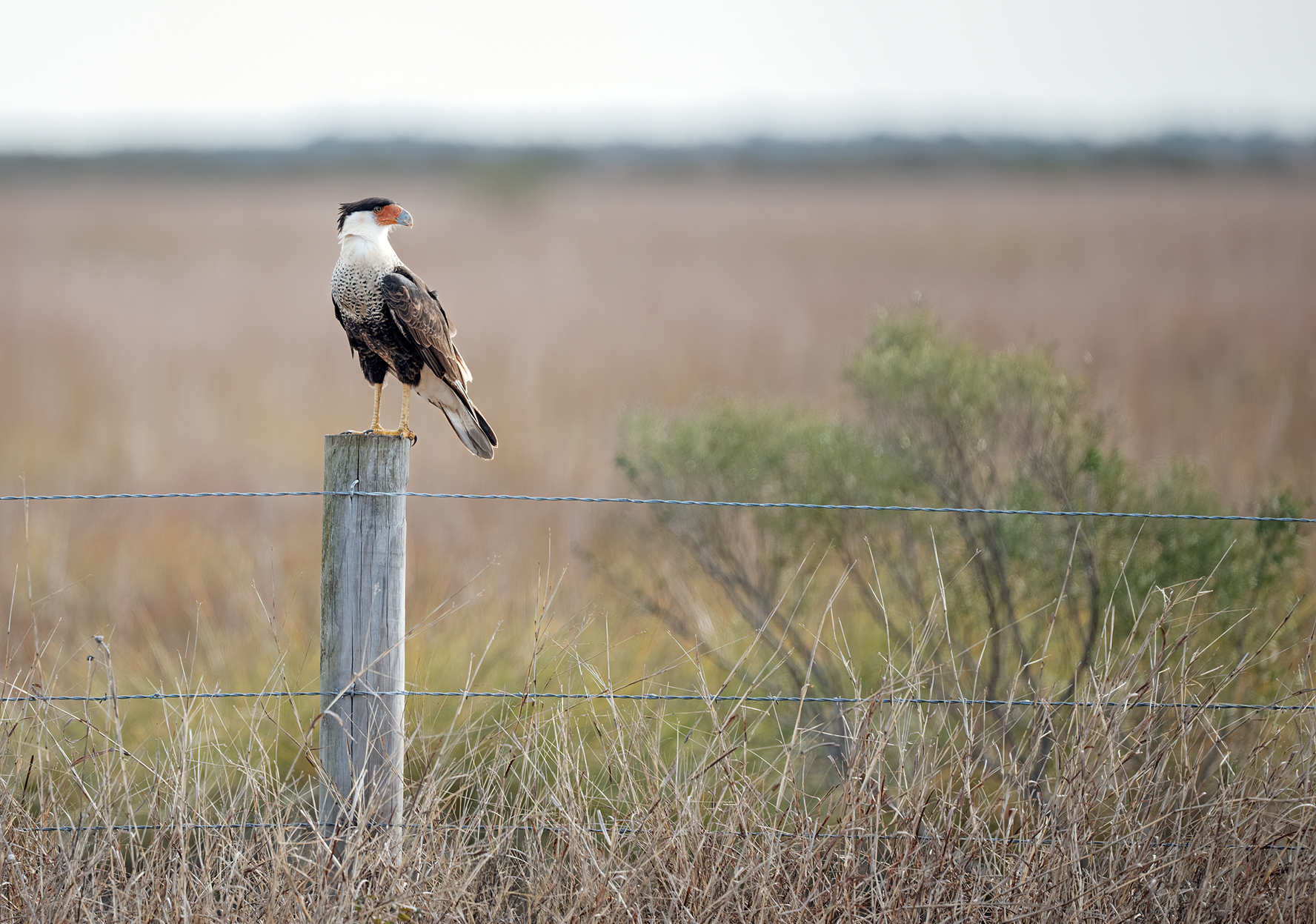
Crested Caracara. Photo: Bonnie Block/Audubon Photography Awards
|
|
Agriculture Omnibus Passes Senate Floor
|
The agriculture omnibus, SB 290 (Sen.Truenow (R-Tavares)), passed the Senate floor this week with an amendment filed by Sen. Harrell (R-Stuart) to carve out to protect lands necessary for Comprehensive Everglades Restoration Plan projects from being surplussed.
Audubon Remains Concerned: Conservation Lands
Audubon is raising red flags about key provisions in this sweeping “farm bill.” Language allowing certain conservation lands to be reclassified as “surplus” for agriculture could erode long-standing public-land protections, blur the line between protected lands and farmland, and put public access and ecological value at risk.
Biosolids
The bill’s biosolids provisions also raise concerns, potentially shifting disposal practices without clear environmental safeguards. In committee, Audubon urged lawmakers to keep strong conservation protections and put firm environmental guardrails in place. As legislation advances, we continue to call attention to provisions we believe are short-sighted and could have lasting unintended consequences for Florida’s natural resources.
The House companion bill, HB 433 by Rep. Alvarez (R-Hillsborough), has one more committee stop before getting to the House floor.
|
|
|
|

|
|
Short-tailed Hawk and crow. Photo: Douglas Defelice/Audubon Photography Awards.
|
|
Amendment Added to Resilience Bill to Thwart Controversial Manatee Port Proposal
|
This week, Rep. Boyd (R-Bradenton) added an amendment to SB 302, Coastal Resiliency, by Sen. Garcia (R-Miami), that could significantly impact a controversial port expansion in Manatee County. The amendment restricts dredging and filling in the Terra Ceia Aquatic Preserve, the waters near a site being considered for a new cruise ship port close to the Sunshine Skyway Bridge.
Under the amendment, the state would be prohibited from approving dredging or filling in that preserve except for limited, specified reasons — effectively placing new limits on development in those protected waters. The amendment sponsor has described protecting the mangrove-rich area as a “critical mission.”
The Senate passed the bill unanimously with the amendment included. It now heads to the House for consideration.
|
|
|
|
|
|
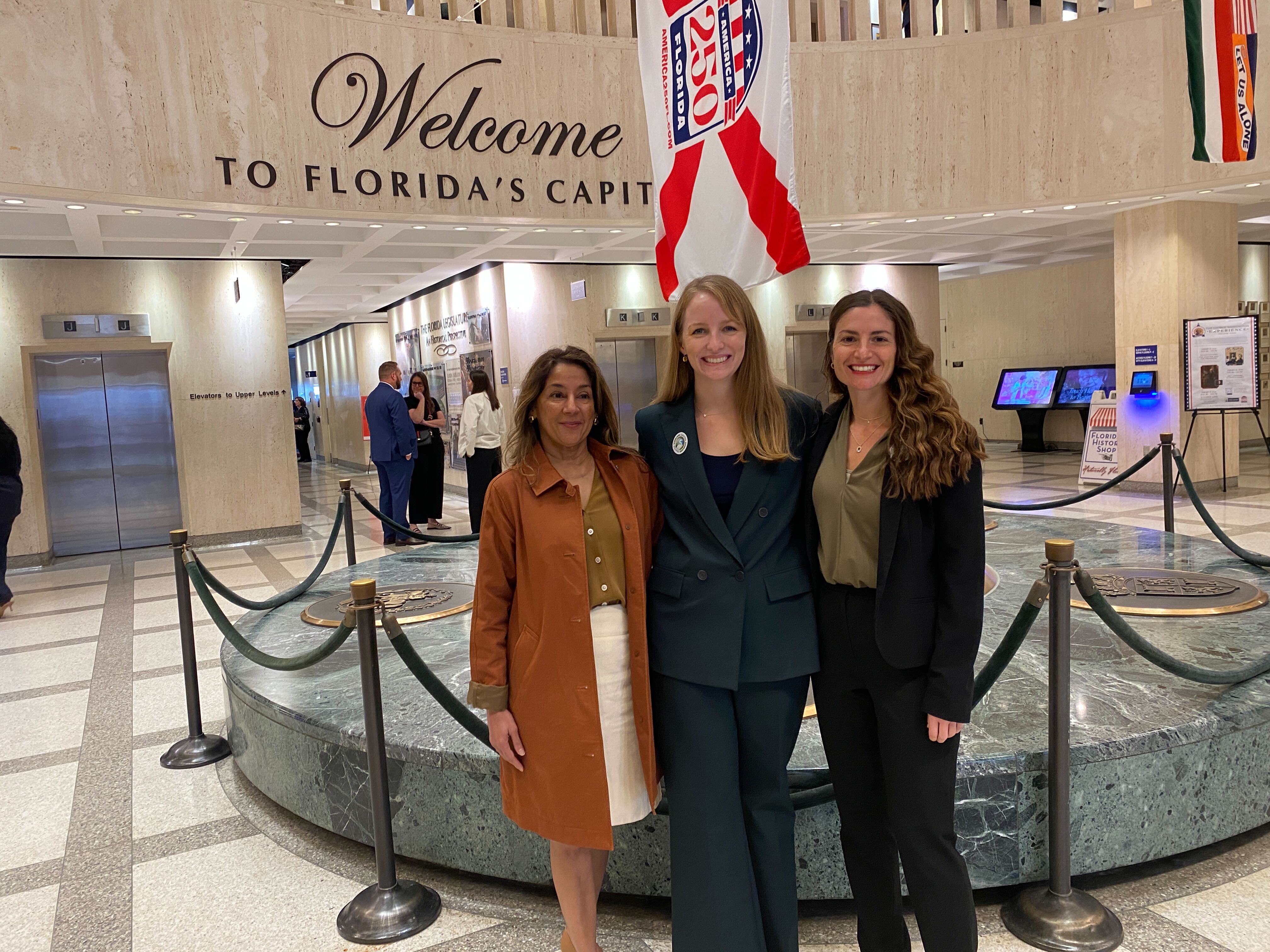
Beth, McKee, and Caitlin — three of Audubon Florida's policy superstars!
|
|
Everglades Action Day
|
|
Wednesday was Everglades Action Day at the Florida State Capitol. Organized by Audubon Everglades Policy Associate Caitlin Newcamp, the event brought students from South Florida and partners from around the state to Tallahassee to advocate for restoration and conservation of the Everglades. Caitlin and Everglades Senior Policy Manager McKee Gray met with Senior Policy Director Beth Alvi in the rotunda before they headed to their committee and legislator meetings.
|
|
|
|
Keep your network informed of opportunities and ways to get involved by sharing this newsletter today.
|
|
|
|
|



