Folks, this is a long Advocate newsletter! We're reaching a critical stretch of the 2026 Legislative Session as bills start heading for full votes on the House and Senate floors. Time is drawing down to improve bills that would have a negative impact on quality of life in Florida, as well as push forward bills that would protect landscapes now and into the future. Stay with us as we highlight growth management, nutrient pollution, protection for conservation lands, and more!
|
|
|
|
|
|
|
|
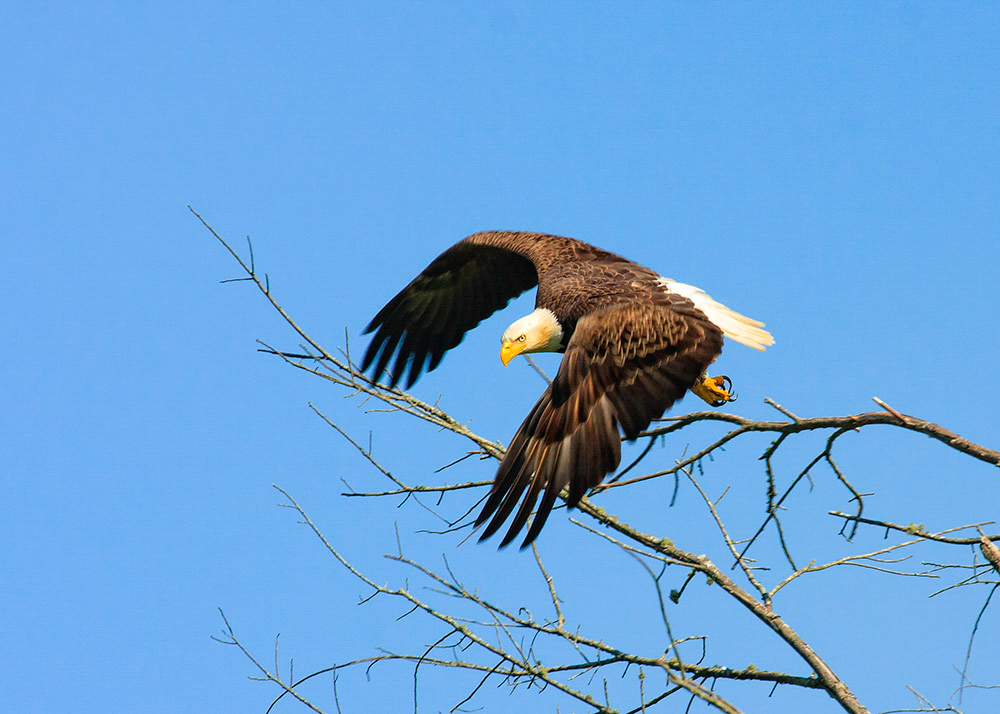
Bald Eagle. Photo: Hazel Erikson/Audubon Photography Awards
|
|
Let's Start with Some Good News: Guana Fix Bill Passes!
|
Conservation Lands, HB 441, by Rep. Kendall (R-Jacksonville), passed the full House with unanimous approval.
Its Senate companion, SB 548, by Sen. Mayfield (R-Bradenton) has also passed the full Senate.
The House bill has been enrolled and is in its final stage to be sent to the Governor for his signature.
Reminder: Why These Bills Are Important
These bills stem from last year’s public backlash over a proposed land swap at the Guana River Wildlife Management Area.
They are designed to strengthen transparency and establish clear procedures when the state considers selling or exchanging conservation lands. The measures require at least 30 days’ public notice and mandate that key information — including the parcels involved, the conservation justification, and land valuations — be posted online before any action is taken.
At their core, the bills are intended to ensure accountability and openness in decisions affecting Florida’s public conservation lands.
|
|
|
|

|
|
Common Merganser. Photo: Shayne Kaye/Audubon Photography Awards
|
|
House Advances Sweeping Land Use Bill with New Resort Provision
|
House of Representatives Version
The House State Affairs Committee, (Chair, Rep. Robinson (R-Bradenton)) advanced HB 399 (Rep. Borrero (R-Doral)) by a 16–10 vote, moving forward a wide-ranging land-use package with significant implications for local growth decisions and conservation lands.
The bill includes two major provisions previously debated this session:
- It repeals and preempts local supermajority vote requirements for expanding Urban Growth Boundaries or Urban Development Boundaries.
- It mandates an Office of Program Policy Analysis and Government Accountability (OPPAGA) study examining related processes.
A newly added section raises fresh concerns. The bill creates a pathway for so-called “large destination resorts” — developments with 500 or more guest rooms and a 70% occupancy rate over the last three years — to receive administrative approval for certain special exceptions or variances affecting up to 20% of a parcel. These approvals would bypass public hearings before a city or county commission.
Taken together, these changes further shift growth decisions away from local elected officials and public scrutiny, potentially accelerating development pressure on rural and environmentally sensitive lands.
Senate Version
The Senate bill, SB 208, sponsored by Sen. McClain (R-Ocala), passed the Rules Committee this week (Chair, Sen. Passidomo (R-Naples)). The amendment adopted in committee reflects coordination with the House and incorporates language from SB 948, Local Government Land Development Regulations and Orders, also sponsored by Sen. McClain.
It adds school easement access provisions, zoning parity for offsite single-family homes, expanded placement options for manufactured homes, and directs OPPAGA to study urban development boundaries. Several senators raised concerns that the bill could jeopardize the Everglades and questioned whether the state should fund a study on what is fundamentally a local issue.
A late-filed amendment by Sen. Martin (R-Naples) would have forced counties to either weaken rural growth protections or pay potentially enormous compensation to affected land owners. The amendment was withdrawn with the expectation that the issue would be revisited when the bill reaches the Senate floor.
|
|
|
|
|
|
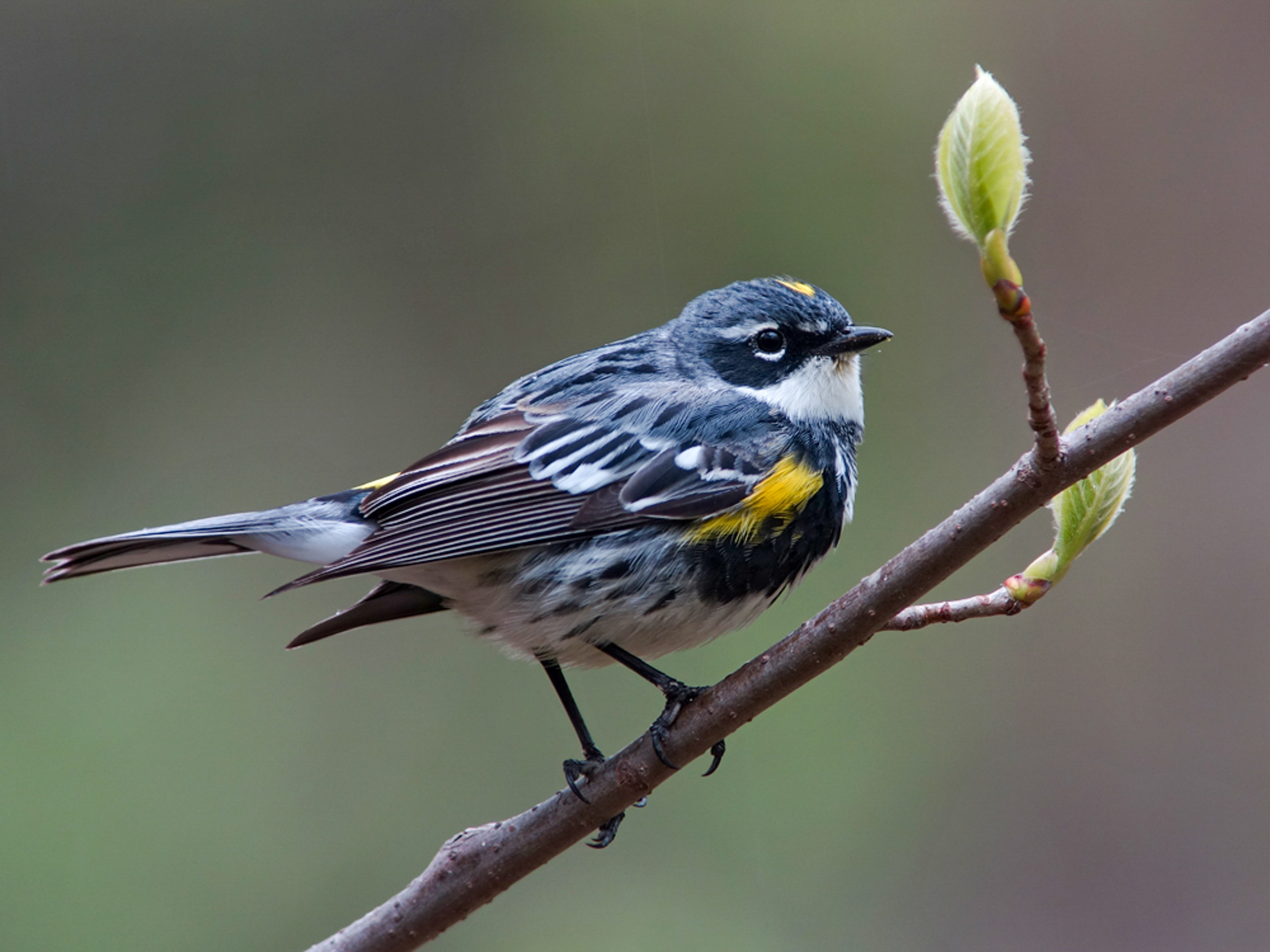
Yellow-rumped Warbler. Photo: Megumi Williamson/Audubon Photography Awards
|
|
Permit Review Privatization Bill Moves Forward
|
Local Land Planning and Development, HB 927, by Rep. Sapp (R-Palatka) and approved in State Affairs, represents the most aggressive version yet of legislation expanding the use of private contractors to review building permits and development applications.
The bill would allow applicants to hire private reviewers if a local government does not cooperate or respond in a timely manner. In effect, developers could select and move forward with their own chosen reviewers.
While proponents argue this improves efficiency, the approach raises concerns about oversight, consistency, and accountability in growth management — especially in communities already struggling to manage rapid development and infrastructure strain.
|
|
|
|
|
|
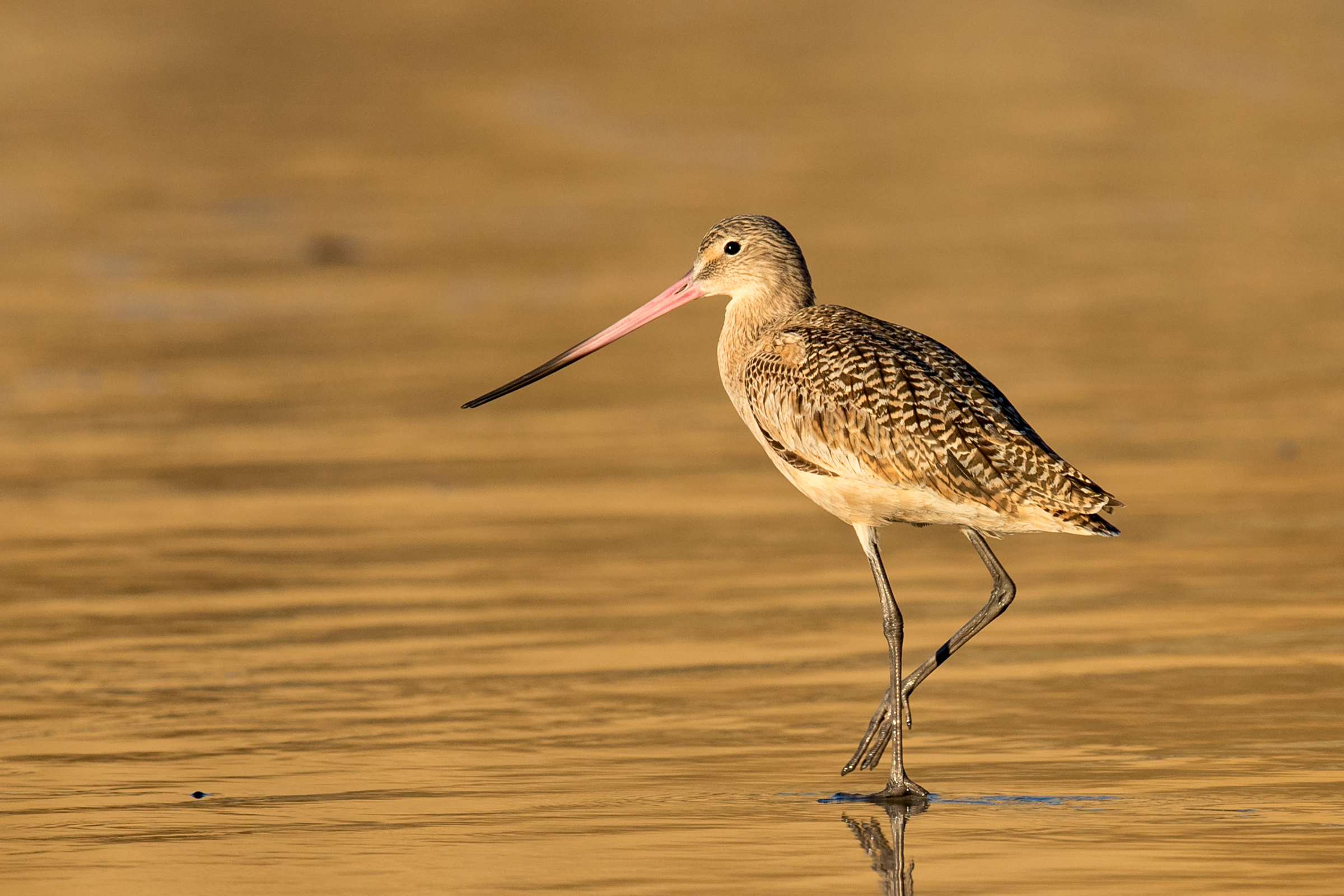
Marbled Godwit. Photo: Mick Thompson/Audubon Photography Awards
|
|
Biosolids Management Bill Advances Unanimously
|
Sen. Bradley, (R-Fleming Island) introduced a strike-all amendment to SB 1294, Biosolids Management, to address gaps in Class AA biosolids oversight.
Audubon worked to incorporate a provision that requires the Florida Department of Environmental Protection to initiate rulemaking by November 1, 2026. The forthcoming rule development process will be critical in determining how biosolids application and management practices affect nutrient pollution, groundwater, and downstream water bodies. It requires land application to stay within agronomic rates as determined by UF/IFAS, clarifies enforcement authority, mandates basic recordkeeping at application sites, and directs UF/IFAS to update economic guidance every two years.
The amendment also applies existing fertilizer labeling, inspection, reporting, fee, and tonnage requirements to Class AA biosolids distributed in bulk — whether sold or given away — while preserving a pathway for beneficial reuse.
The amendment was adopted in Rules. The bill continues to move. Implementation details will matter — and stakeholders will be watching closely.
An identical amendment was adopted to HB 1245, Biosolids Management, by Rep. Shoaf (R-Port St. Joe) passed unanimously in State Affairs, reflecting continued legislative focus on biosolids oversight following water quality concerns in recent years.
|
|
|
|
|
|
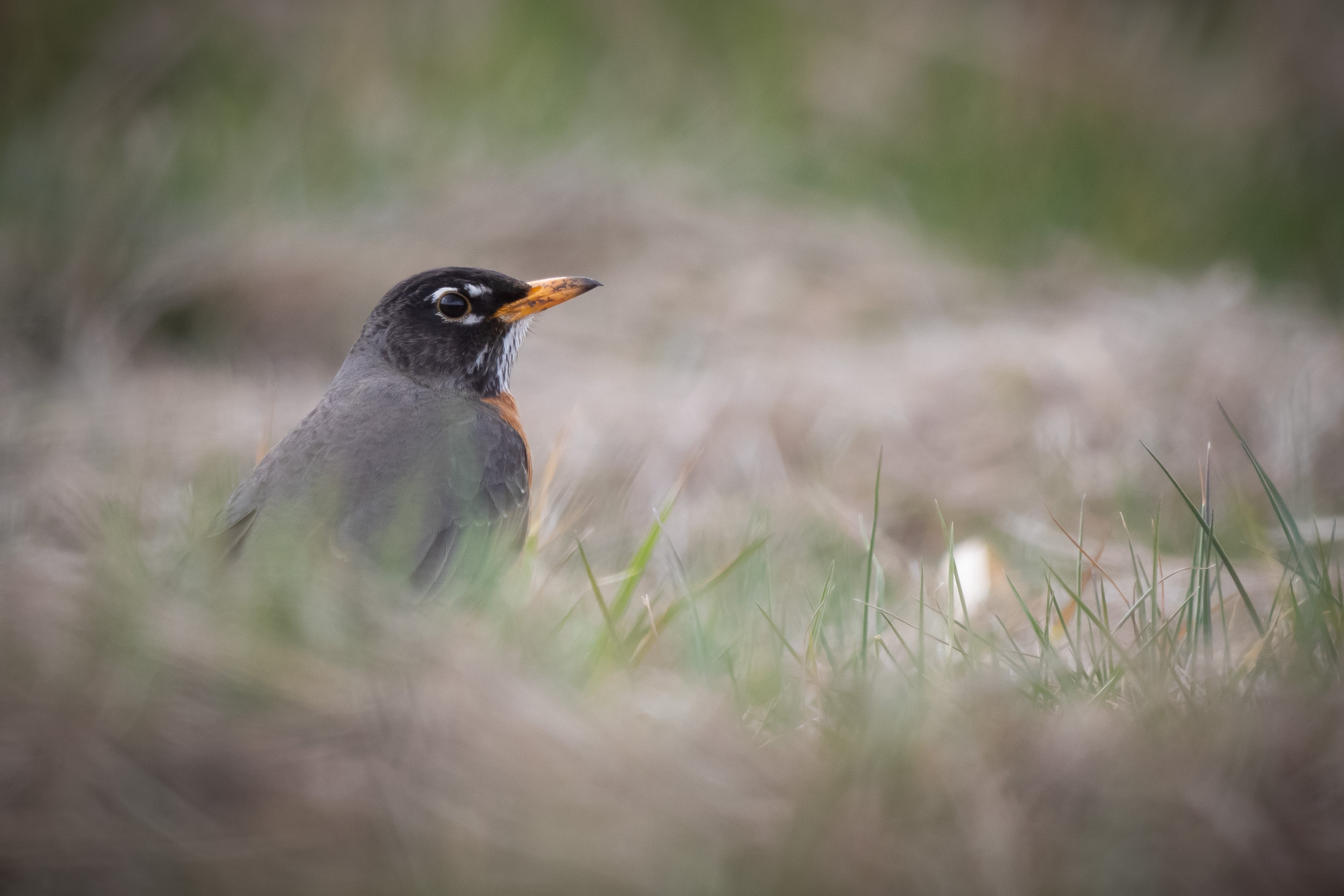
American Robin. Photo: Daniel Holleman/Audubon Photography Awards
|
|
Additional Biosolids Bill Moves
|
Biosolids Management, SB 1474, by Sen. Gaetz (R-Pensacola), seeks to ensure biosolids and septage are treated at the highest practical level when wastewater facilities are reasonably accessible. It directs FDEP to stop issuing permits for Class B biosolids land application when a permitted wastewater treatment facility is nearby.
A late-filed amendment reduces the proximity threshold from 50 miles to 30 miles and shifts the effective date from July 2026 to July 2027. The amendment was adopted by the Rules committee.
The bill was reported favorably by the Senate Rules Committee and continues to move this session.
|
|
|
|
|
|
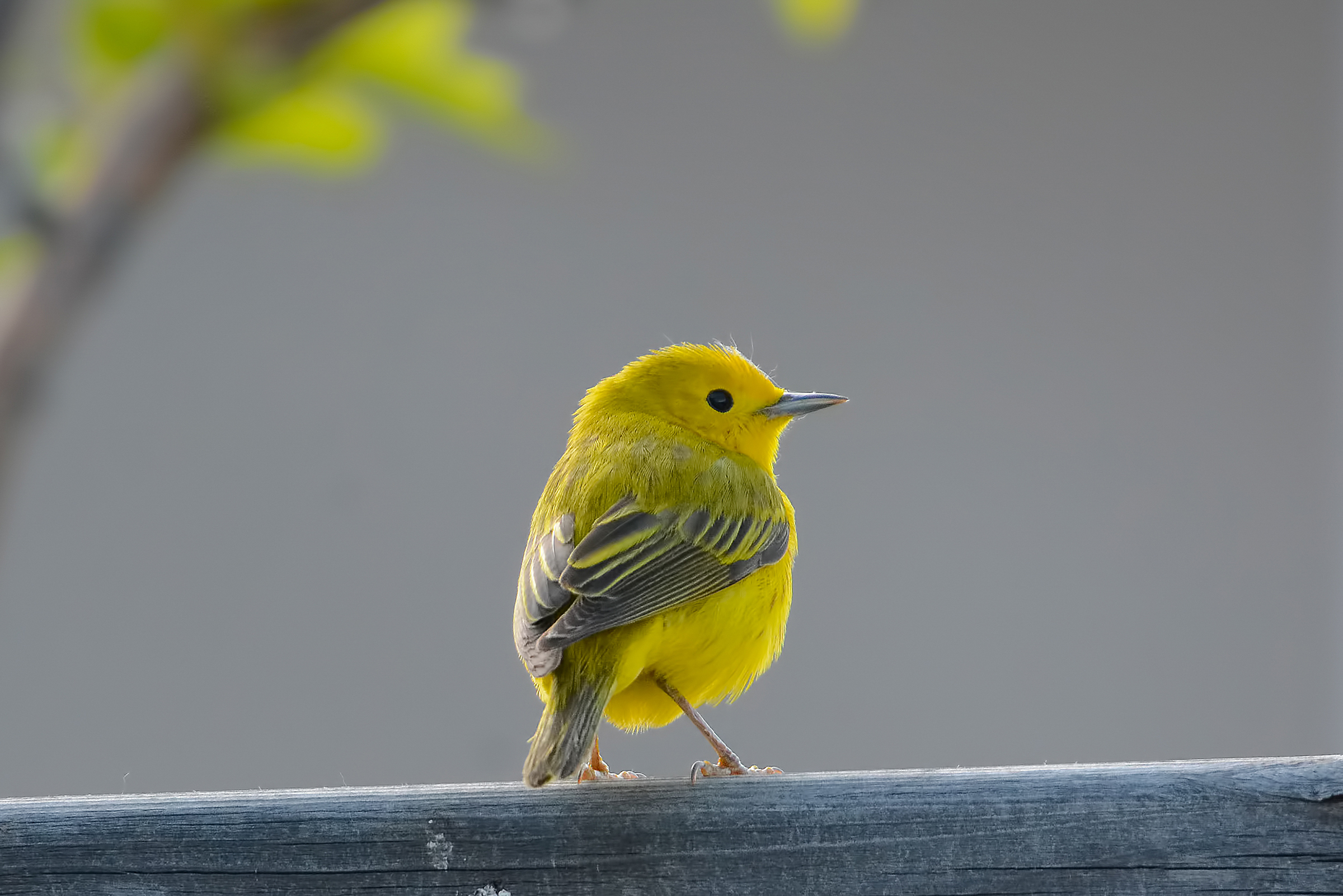
Northern Yellow Warbler. Photo: Diane Taylor/Audubon Photography Awards
|
|
Agricultural Enclaves Bill Amended to Hold Everglades Restoration Harmless
|
Agricultural Enclaves, SB 686, sponsored by Sen. McClain (R-Ocala) passed the Rules Committee this week.
The intent of the bill is to accelerate development on rural lands that are surrounded by existing development, making it easier for these areas to transition to higher-intensity uses. It aims to streamline the approval process for such projects by reducing the need for local planning approvals.
An amendment adopted in committee adds protections for conservation easements, includes wildlife corridors in the criteria local governments must consider, excludes Areas of Critical State Concern, and prevents one agricultural enclave from being used to justify another — an effort to limit sprawl. A friendly amendment by Sen. Harrell (R-Stuart) preserves parcels necessary for Everglades restoration. Both amendments were adopted. Still, Audubon remains concerned.
The bill was reported favorably by the Senate Rules Committee and continues to move forward. Read more about the bill here.
|
|
|
|
|
|
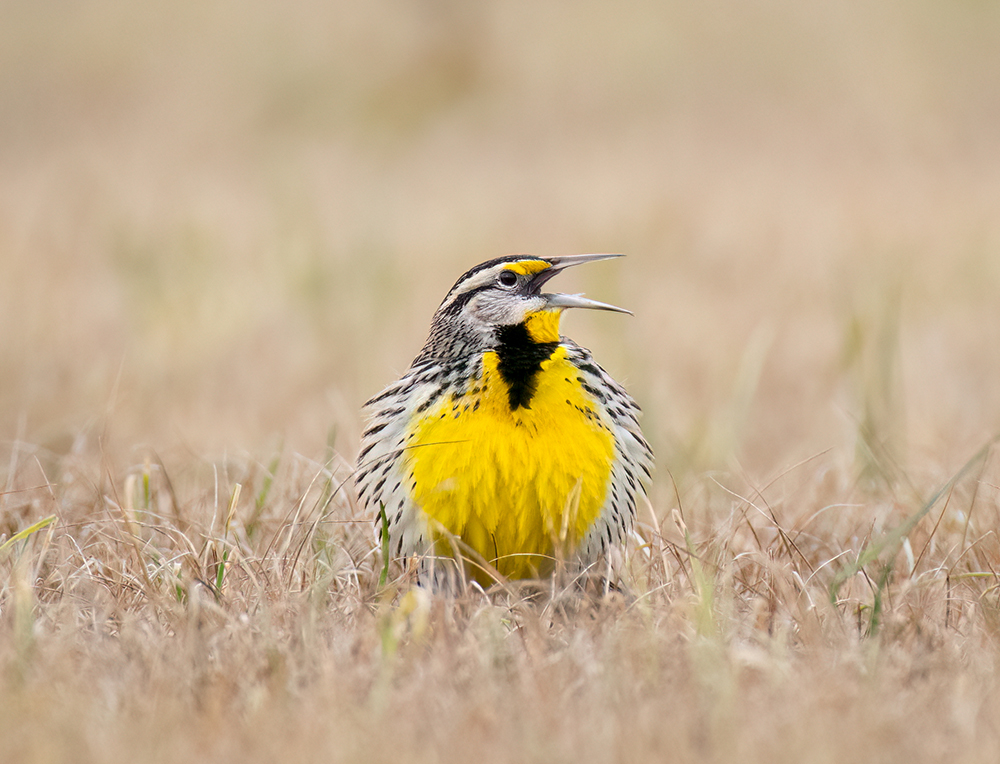
Eastern Meadowlark. Photo: Amelia Hall/Audubon Photography Awards
|
|
Agriculture Bill Advances Without Improvements to Conservation Land Surplus Provisions
|
The Agriculture bill, HB 433, sponsored by Rep. Alvarez (R-Riverview) — the House companion to SB 290 (Rep. Truenow (R-Tavares)) — passed 22–3 in the State Affairs Committee this week and includes a provision addressing the potential surplussing of conservation lands.
During debate, Rep. Alvarez stated that any determination by FDACS or FDEP staff that conservation lands are surplus for agricultural use would be forwarded to the Acquisition and Restoration Council and ultimately to the Governor and Cabinet sitting as the Trustees of the Internal Improvement Trust Fund for final approval.
However, no amendments were adopted to clarify the surplus process language.
While the bill moved with bipartisan support, the conservation community remains attentive to how “surplus” determinations could affect permanently protected lands — and whether adequate safeguards and transparency will be maintained.
|
|
|
|
|
|
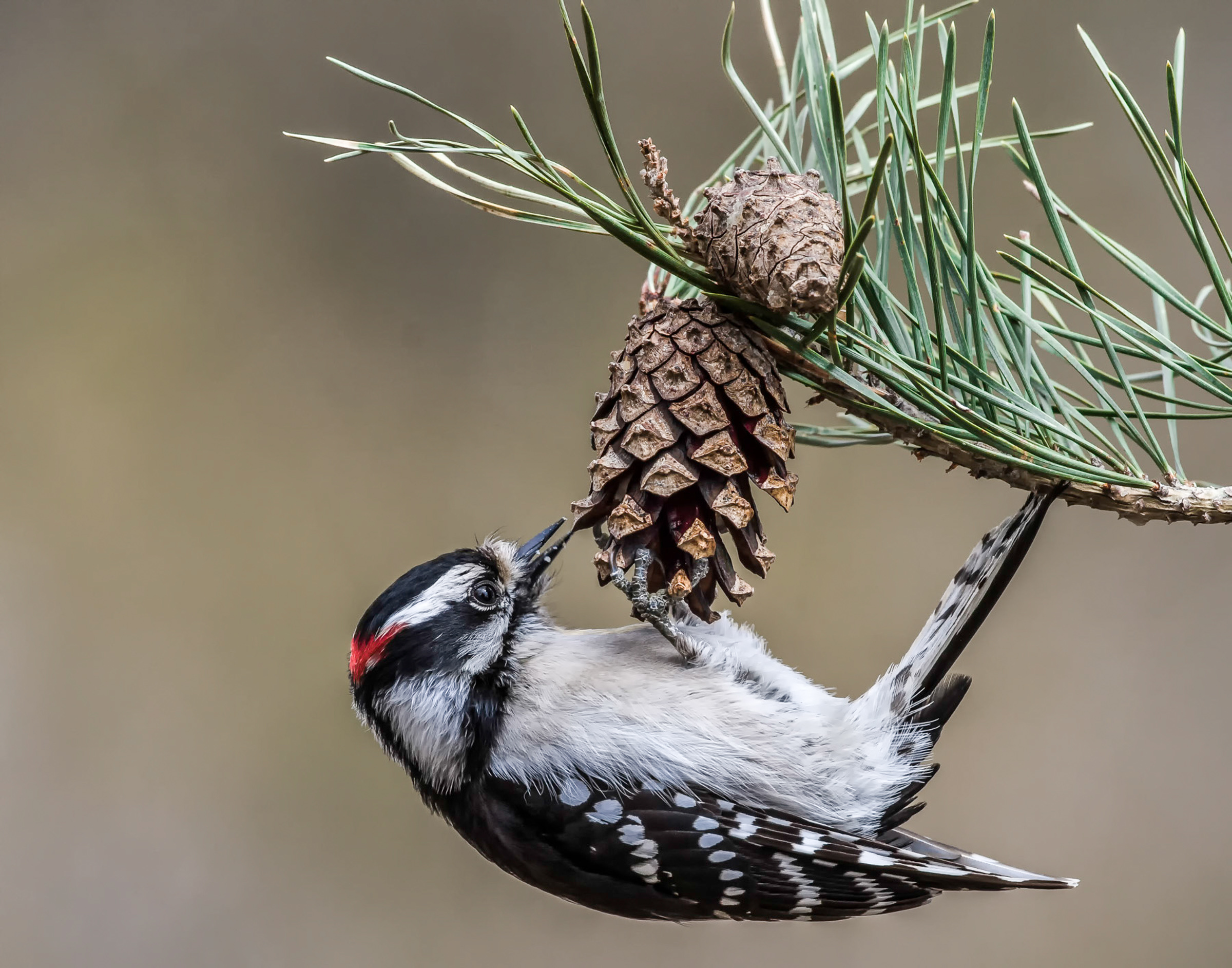
Downy Woodpecker. Photo: Nick Shearman/Audubon Photography Awards.
|
|
Blue Ribbon Bill Amended Again, Moves Forward
|
Blue Ribbon Projects, HB 299, by Rep. Melo (R-Naples), passed its last committee of reference, State Affairs, this week.
Bill Improvements
The committee adopted changes that significantly improve the bill by shifting the approval process from a zoning action to a comprehensive plan amendment.
That change matters.
By making it a legislative decision — rather than a quasi-judicial zoning case — city councils and county commissions now have far greater discretion. Instead of being bound by strict evidentiary standards and potential development entitlements, local governments can weigh policy considerations and simply vote yes or no. In short, this restores meaningful local control and flexibility.
The amendment also strengthens protections for the proposed reserve. It prioritizes true conservation across the vast majority of the property, limiting non-conservation uses — such as infrastructure, utilities, or stormwater facilities — to no more than 15% of the total area. The clear intent is to ensure the reserve functions first and foremost as preserved land, not development by another name.
We appreciate the amendment which improves the bill substantially but remain concerned that the reserve areas need formal protection in order to be meaningful.
|
|
|
|
Keep your network informed of opportunities and ways to get involved by sharing this newsletter today.
|
|
|
|
|



